BSCRC awards $2.5 million to cutting-edge stem cell research and technology projects
At the Eli and Edythe Broad Center of Regenerative Medicine and Stem Cell Research at UCLA, the pursuit of life-changing therapies begins with bold ideas and the researchers willing to chase them.
This year, the center is proud to award more than $2.5 million across 23 innovative projects — spanning neurological diseases, human tooth regeneration, and beyond — through two flagship programs: the Innovation Awards, which back scientists pursuing their most ambitious discoveries, and the Transformative Technology Development Awards, which fund the development of cutting-edge tools to advance the field.
The awards have been generously funded in part by the Alfred E. Mann Charities, The Rose Hills Foundation Innovator Grant Program, The Gaba Family Foundation, Inc., The Gillian S. Fuller Foundation, GG’s Family Foundation, The Michael & Paige Doumani Foundation, Carol Doumani and Betty W. Tung.
Innovation Awards
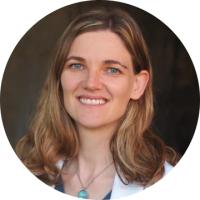
Principal investigator: Keriann Backus, Ph.D.
Co-investigator: Brigitte Gomperts, M.D.
Project: “Healthy lungs in a fiery planet: Defining and disarming wildfire smoke-induced lung damage”
As wildfires become more frequent due to climate change, more people are being exposed to smoke containing thousands of harmful chemicals. Wildfire smoke overwhelms the lung's natural defenses, disabling the tiny hair-like structures that sweep out harmful particles and breaking down the protective barrier that keeps toxins from entering the body. Using a lab model built from human airway cells, scientists are investigating how smoke from different types of fires affects lung cells, pinpointing exactly how wildfire smoke damages lung cells at the molecular level and identifying medications that could protect our lungs from smoke damage. This work could lead to new treatments for smoke-related lung damage — a need that will only grow as wildfire seasons intensify.

Principal investigator: Aparna Bhaduri, Ph.D.
Project: “Interrogating novel synaptic-like relationships during human brain development”
The human brain is an extraordinarily complex structure built by billions of cells that must communicate precisely during development, but many of the signals driving that process remain a mystery. This project investigates a groundbreaking hypothesis: that the thalamus, the brain's central signaling hub, may directly connect with radial glia, the neural stem cells of the developing brain, to guide how they develop into the specialized brain cells that shape thought, memory and behavior. Remarkably, this type of neuron-to-non-neuronal-cell communication has previously only been observed in cancer — never in normal human brain development. Using cutting-edge lab-grown brain models called organoids, researchers will recreate early human brain development to test this idea, with findings that could fundamentally reshape our understanding of the developing brain and unlock new approaches to treating neurodevelopmental disorders.
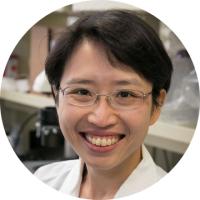
Principal investigator: Yvonne Chen, Ph.D.
Co-investigator: Maie St. John, M.D., Ph.D.
Project: “Enhancing safety of IL-12 immunotherapy with computationally designed protein self-regulation”
Interleukin-12, or IL-12, is a powerful immune-activating protein with remarkable potential for cancer therapy, but its clinical use has been severely limited by dangerous toxicity at effective doses. The problem lies in a feedback loop: IL-12 triggers the release of a molecule called interferon-gamma, which drives anti-tumor activity but becomes harmful at high levels. This project aims to engineer a smarter, self-regulating version of IL-12 that acts normally at safe levels but automatically switches off when interferon-gamma levels climb too high. If successful, this approach could unlock IL-12's therapeutic potential for cancer and other diseases, either on its own or in combination with cell-based therapies.

Principal investigator: Amander Clark, Ph.D.
Project: “Developing solutions to improve women's health with stem cells”
The ovary is one of the most overlooked organs in biomedical research — yet it plays a dual role as both a reproductive and endocrine organ, and its natural decline in midlife is closely linked to reduced quality of life for women. Despite how much ovarian health shapes women's overall wellbeing, scientists still lack the basic research tools needed to study it effectively. This project will address that gap by creating human ovarian somatic cells from stem cells, establishing a powerful new research platform that has long been missing from women's health science. These lab-grown cells could ultimately be used to develop technologies that promote and extend the ovary's healthy function with the goal of increasing women's healthspan.
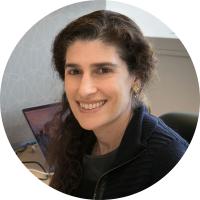
Principal investigator: Hilary Coller, Ph.D.
Co-investigator: Daniel Ginn, D.O.
Project: “Toward a molecular understanding of endometriosis”
Adenomyosis, endometriosis and uterine fibroids affect a staggering number of women, causing severe pain and raising the risk of infertility, miscarriage and preterm birth. Yet these uterine disorders remain severely understudied, leaving patients with inaccurate diagnoses and treatments that are either ineffective or come with serious consequences. A chance discovery in the lab may change that: Researchers found that mice with a specific epigenetic change showed signs of adenomyosis, potentially offering the first reliable mouse model for studying this poorly understood disease. Scientists are investigating whether mice with this epigenetic alteration can serve as a standardized model for adenomyosis, while also exploring whether the same molecular signature could serve as a diagnostic marker for patients with uterine disease. Ultimately, the findings could open the door to new stem cell-based therapies for women suffering from adenomyosis and related uterine disorders.

Principal investigator: Gay Crooks, M.D.
Co-investigator: Hanna Mikkola, M.D., Ph.D.
Project: “Guiding iPSC-derived hematopoietic stem cell specification and maturation to generate functionally potent adult T cells for immunotherapy”
T cell therapies, which harness the immune system to fight cancer, have shown remarkable results for some blood cancers, but these personalized treatments remain expensive and complex to produce. A promising solution is to manufacture T cells from induced pluripotent stem cells, or iPSCs, reprogrammed adult cells that can theoretically become any cell type, including T cells, enabling an off-the-shelf product that could be made in large batches and used to treat many patients. The catch is that iPSC-derived T cells currently behave more like fetal cells than adult ones, making them less powerful at fighting cancer and shorter-lived than T cells taken directly from a patient's blood. This project aims to solve that problem by guiding iPSC-derived blood stem cells through a more adult-like developmental path, with the goal of producing T cells that are more potent, longer lasting and capable of fighting cancer more effectively.
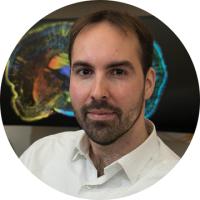
Principal investigator: Luis de la Torre-Ubieta, Ph.D.
Co-investigator: Ranmal Samarasinghe, M.D., Ph.D.
Project: “Modeling Down syndrome using cortex-ganglionic eminence assembloids”
Down syndrome, caused by an extra copy of chromosome 21, affects roughly 1 in 750 newborns and leads to challenges in learning, memory and language development. The biological mechanisms driving the changes in brain development and function in Down syndrome remain poorly understood, leaving few therapeutic options for those affected. The answer may lie in the earliest stages of brain development, when a small pool of neural stem cells must multiply, specialize and wire themselves together to build the billions of interconnected cells that make up the adult brain — a process that gets disrupted in Down syndrome. This research team uses human neural stem cells to recreate Down syndrome brain development in the lab, applying innovative genomic and computational tools to pinpoint exactly where and how the process diverges from typical development, while also measuring electrical activity to understand how connectivity is affected. The findings could lead to new strategies for treating or managing Down syndrome by targeting the underlying biological mechanisms.

Principal investigator: Mingxia Gu, M.D., Ph.D.
Co-investigator: Xia Yang, Ph.D.
Project: “Decoding tissue-specific vascular aging through computational and organoid modeling”
As the global population ages, scientists are racing to understand why our bodies break down over time. One underappreciated culprit may be our blood vessels. The vascular system supplies every organ in the body, and as it ages, increased permeability, chronic inflammation, and impaired regeneration can accelerate organ dysfunction. But there’s emerging evidence that not all blood vessels age the same way: vessels in the brain, heart and other organs each follow distinct aging patterns, and researchers don't yet understand why. The Gu lab aims to address this gap by creating the first comprehensive cross-organ map of vascular aging, using single-cell analysis to decode the molecular changes happening in blood vessels across different tissues, then validating those findings in lab-grown, human vascularized organ models. The result could be a blueprint for developing targeted therapies to prevent or reverse age-related diseases.

Principal investigator: Jimmy Hu, Ph.D.
Project: “Regulation of epithelial stem cells by cholesterol”
Tooth loss affects millions of people worldwide. While dental implants and dentures offer partial solutions, they come with drawbacks, including gradual bone loss beneath the prosthetic over time. Growing a natural, biological tooth from dental stem cells would be a transformative alternative, but to do that, scientists first need to understand how dental stem cells sense and respond to physical cues in their environment — like stiffness and pressure — and translate those signals into decisions about how to grow. The Hu lab zeroes in on membrane cholesterol as a potential sensor of those physical cues. Using mouse teeth as a model, the research team is integrating breakthroughs in imaging, metabolic studies and biomechanics to decode how stem cells interpret their surroundings at a molecular level. The insights gained could directly inform metabolism-based strategies to guide human tooth regeneration.

Principal investigator: Chen Yuan Kam, Ph.D.
Project: “Investigating vascular regulation of skin epithelial stem cells in vivo”
Our skin is home to a remarkably dynamic population of stem cells nestled inside hair follicles, which continuously cycle through phases of rest and renewal to regenerate hair throughout our lives. While it's known that blood vessels send specialized signals to stem cells in other organs, whether they play a similar role in guiding hair follicle stem cells remains an open question. This project will use high-resolution microscopy to capture how blood vessels interact with hair follicle stem cells in real time, while also mapping the proteins displayed on vessel surfaces during hair growth. The findings could reveal new molecular targets for treating hair loss and other conditions rooted in stem cell dysfunction.

Principal investigator: Wiliam Lowry, Ph.D.
Project: “Defining the role of histone lactylation on hair follicle stem cell activation”
Adult stem cells face a constant decision: stay dormant or spring into action to regenerate tissue — and it turns out that how a cell breaks down glucose may play a surprising role in making that call. This project builds on a previous discovery from the Lowry lab that a specific byproduct of glucose metabolism appears to trigger hair follicle stem cells to activate and generate a new hair shaft. Researchers will now investigate how the production of particular metabolic byproducts drives physical changes to DNA that flip gene expression switches to promote hair follicle stem cell activation. Because the metabolic principles at work in hair follicle stem cells appear to apply broadly across tissues, the findings could ultimately point to new ways of promoting regeneration throughout the body.
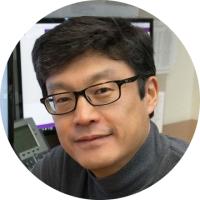
Principal investigator: Atsushi (Austin) Nakano, M.D., Ph.D.
Co-investigator: Haruko Nakano, M.D.
Project: “Oxidative mtDNA damage as a driver of congenital heart disease”
Congenital heart disease is the most common birth defect, and babies born to mothers with diabetes face up to four times the normal risk. Surprisingly, these defects don't appear to stem from genetic mutations, suggesting that high blood sugar itself disrupts heart development in the womb. The Nakano lab has previously found that fetal organs, including the heart, rely heavily on lactate, not glucose, even under high sugar conditions. In diabetic pregnancies, lactate accumulates in the outermost layer of the fetal heart, a region particularly vulnerable to damage. Beyond fueling cells, lactate can chemically modify proteins that regulate how genes are read, potentially altering the way heart cells grow and mature at a critical window of development. By pinpointing which cells produce lactate and testing how it shapes heart development using stem cell-derived heart cells, scientists aim to find new ways to prevent congenital heart disease in diabetic pregnancies — targeting metabolism rather than genetics and opening a more treatable path forward.
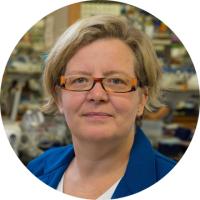
Principal investigator: Kathrin Plath, Ph.D.
Co-investigator: Jason Ernst, Ph.D.
Project: “Uncovering mechanisms underlying rejuvenation by exploiting insights from iPSC reprogramming”
Our bodies age at the cellular level, but groundbreaking research suggests this process may be partially reversible. By reprogramming adult cells — like skin cells — back into a youthful, stem cell-like state, scientists have observed that cells don't just change identity, they also appear to rejuvenate by shedding molecular signs of aging. Using cutting-edge single-cell technologies, this research team is mapping exactly how and when this rejuvenation unfolds, down to the molecular details. Unlocking these mechanisms could pave the way for targeted therapies in regenerative medicine and transform the treatment of age-related diseases.

Principal investigator: April Pyle, Ph.D.
Co-investigator: Mehdi Bouhaddou, Ph.D.
Project: “Immune shielding protein-protein interactions for hPSC universal cell therapies”
One of the biggest challenges in cell therapy is making treatments accessible to all patients, not just those who can afford or wait for personalized options. A promising solution is the development of universal cell therapies: off-the-shelf products that any patient could receive without rejection. To do this, cells need to be equipped with molecular "shields" that hide them from the recipient's immune system — a strategy nature has already perfected in the human placenta, which protects a genetically distinct fetus from being attacked by the mother's immune system. By mapping the protein interactions behind this natural immune shielding using cutting-edge proteomics and AI, scientists aim to decode these mechanisms and apply them to engineer universally compatible cells for skeletal muscle and beyond. If successful, this work could democratize access to cell therapies and transform regenerative medicine across any organ system.

Principal investigator: Avi Samelson, Ph.D.
Co-investigator: Lindsay De Biase, Ph.D.
Project: “Unlocking the promise of iPSCs for modeling protein aggregation and aging-associated neurodegenerative disease”
Neurodegenerative diseases like Alzheimer's, Parkinson's and Amyotrophic Lateral Sclerosis, or ALS, collectively affect over 35 million people worldwide, yet their root causes remain poorly understood. A shared hallmark across these diseases is the buildup of toxic protein clumps in the brain called protein aggregates, but uncovering exactly how different brain cell types contribute to this process is enormously complex. Stem cells offer a powerful tool for untangling this web because they can be coaxed into becoming many different brain cell types like neurons or microglia and are easy to genetically manipulate. However, a major limitation is that these lab-grown cells behave like immature brain cells and don't naturally replicate the effects of aging. This project tackles these limitations head-on using three innovative approaches to recreate aging and protein aggregation in stem cell-derived brain cells, building more realistic disease models that could pinpoint the molecular culprits behind neurodegeneration and accelerate the discovery of new drug targets.
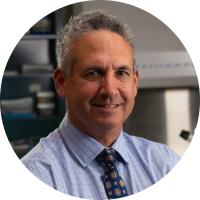
Principal investigator: Michael Teitell, M.D., Ph.D.
Project: “Citrate metabolism as a determinant of pluripotent stem cell destiny”
Human pluripotent stem cells, or hPSCs, with the unique ability to multiply indefinitely and transform into any cell type in the body, hold enormous promise for studying early development, testing drugs and advancing regenerative medicine strategies. However, realizing this potential requires better methods to reliably guide them into becoming mature, fully functional specialized cells — a process that remains surprisingly difficult. A critical early step is directing hPSCs into one of three foundational cell type lineages — ectoderm, endoderm, or mesoderm — which together give rise to all the tissues and organs in the human body. This research focuses on how cell metabolism, specifically the role of a key nutrient molecule called citrate, shapes these earliest fate decisions. The overall goal is to uncover new molecular pathways that control early human development and ultimately improve how scientists generate specialized cells for disease treatment and regenerative medicine.

Principal investigator: Michael F. Wells, Ph.D.
Co-investigator: Harold Pimentel, Ph.D.
Project: “Human clinical safety trials in a dish: Elucidating risk for chemotherapy-induced neurotoxicity”
While chemotherapy has saved countless lives, some commonly prescribed treatments carry a troubling side effect: lasting damage to memory, learning and behavior — and doctors currently have no reliable way to predict which patients are at risk. Scientists aim to change that by uncovering how genetics makes some individuals more vulnerable to chemotherapy-induced brain damage. Using an innovative approach called a cell village, the research team will culture human brain cells derived from 150 different individuals together in a single environment, expose them to chemotherapy drugs and identify at the molecular level who is most susceptible to the toxic effects of these chemicals. This work could one day enable a simple genetic test to help doctors personalize treatment plans, adjust dosages, or choose safer alternatives. This project could also streamline the development of less toxic cancer drugs before they ever reach clinical trials.
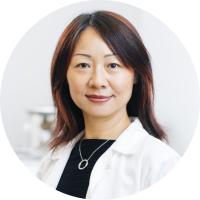
Principal investigator: Lili Yang, Ph.D.
Project: “Decoding human MAIT cell differentiation from hematopoietic stem cells”
A specialized group of immune cells called MAIT cells has emerged as a significant player in human health, with roles spanning infectious disease, cancer, autoimmunity and tissue repair. Despite their importance, we know surprisingly little about how MAIT cells develop from blood stem cells — a gap that has held back efforts to harness them therapeutically. The Yang lab is tackling this by using an innovative humanized mouse model to decode, step by step, how MAIT cells arise from blood stem cells. Cracking this developmental code could open the door to engineering stem cell-derived MAIT cells as a versatile, off-the-shelf immunotherapy for a broad range of human diseases.
Transformative Technology Development Awards

Principal investigator: Daniel Aharoni, Ph.D.
Co-investigators: Bennett Novitch, Ph.D. and Peyman Golshani, M.D., Ph.D.
Project: “Miniaturized two-photon microscope arrays for high-throughput organoid imaging”
Brain organoids — tiny, lab-grown structures that mimic the human brain — are powerful tools for studying conditions like autism, epilepsy and Alzheimer's disease by revealing how neural circuits form and break down. Studying these three-dimensional mini-brains requires two-photon microscopy, a technique that uses infrared laser pulses to capture detailed images deep within living tissue without causing damage. However, conventional two-photon microscopes are bulky, costly and can only image one organoid at a time. To break through this bottleneck, the Aharoni lab is developing a compact, scalable platform that can image many organoids simultaneously in standard lab plates. This platform could dramatically accelerate research into brain development, disease and drug discovery — and its versatility means it can be adapted to study other organ systems as well.

Principal investigator: Pei-Yu (Eric) Chiou, Ph.D.
Co-investigator: Jing Wen, Ph.D.
Project: “Laser acoustic selective trapping (LAST): A single-cell sorting platform for mapping molecular characterization and functional dynamics to its original morphology”
Stem cell researchers have long struggled to connect how individual cells behave with what's happening at the molecular level. To address this, scientists are building an innovative platform that uses coordinated laser and acoustic mechanisms to gently trap and monitor single cells inside a microfluidic chip, without ever physically touching them. This gentle and controllable trapping environment will allow researchers to watch cells respond to stimuli in real time, and the moment a cell shows a behavior of interest — like activation or differentiation — it can be selectively captured and sent for detailed molecular analysis. By linking cellular behavior to molecular identity in real time, this platform could unlock how stem cells respond to their environment, shift between functional states and commit to a specific fate — accelerating the development of safer, more precise therapies for diseases like HIV and cancer.
Principal investigator: Chen Yuan Kam, Ph.D.
Co-investigator: Danielle Schmitt, Ph.D.
Project: “Generation of a genetically encoded metabolic biosensor toolkit for in vivo 4D imaging”
Every decision a cell makes — whether to divide, grow, move, or die — is quietly governed by a process called cellular metabolism, a central control engine that instructs cell fate and behavior. Despite major advances, researchers have lacked reliable tools to watch these metabolic processes unfold in real time, especially in living organisms. This project tackles that gap by engineering two new biosensors that light up when stem cells metabolize key amino acids, glutamine and methionine, making the invisible visible under a microscope. These sensors will be built into both human stem cells and mouse models, allowing scientists to observe live metabolic activity deep within tissues — including how blood vessel cells make decisions during skin wound healing. Together, these tools will give the broader scientific community a powerful new window into how cellular metabolism shapes cell fate, with wide-reaching implications for engineering better therapies for a wide range of diseases.

Principal investigator: Ranmal Samarasinghe, M.D., Ph.D.
Co-investigator: Robert Damoiseaux, Ph.D.
Project: “An AI-guided robotic platform for high-throughput brain assembloid manufacturing”
Brain diseases disrupt the way neurons communicate — and to study this, scientists have developed assembloids: three-dimensional mini-brains that combine excitatory and inhibitory neurons to generate electrical activity remarkably similar to that seen in the human brain. These are powerful research tools, but producing them is painstakingly slow and tedious, putting large-scale experiments out of reach. This research team is aiming to change that by building an automated, AI-driven robotic platform that runs around the clock to manufacture assembloids at more than ten times the current rate and with a level of consistency that’s nearly impossible to achieve by hand. The platform will also serve as a shared UCLA resource, breaking down the expertise barriers that have kept assembloids out of reach for many labs. If successful, this could unlock large-scale drug screening for conditions like epilepsy and traumatic brain injury, enable systematic genetic studies and open the door to personalized medicine.

Principal investigator: Tara TeSlaa, Ph.D.
Project: “A novel method to look at stem cell nutrient preference in vivo”
Diet and exercise are cornerstones of healthy aging, but scientists still don't fully understand how the body's overall metabolism shapes what's happening inside individual cells. A key hurdle: most metabolites — the tiny molecules cells use for fuel — break down within minutes, far faster than the hours it takes to isolate cells for study, making accurate measurement nearly impossible. To solve this, the TeSlaa lab has developed a new technique using stable isotope tracing that essentially gives scientists a "metabolic recording" of what specific cells have been consuming over time. The team is now applying this method to muscle stem cells to understand how diet and exercise influence their behavior. Ultimately, this work could reveal new strategies to promote healthy aging and even improve the outcomes of cell and gene therapies through targeted lifestyle interventions.
Contact