Broad Stem Cell Research Center Training Program

Our world-class training program provides graduate students, post-doctoral researchers and clinical fellows with the skills they need to pursue careers in stem cell research and continue making advances for the benefit of human health.
Under the mentorship of renowned UCLA faculty, our trainees engage in cutting-edge research and receive training in science communications, ethics and regulatory affairs and community outreach.
The interdisciplinary nature of our center and comprehensive curriculum of the program are designed to produce well-rounded scientists poised for impactful careers in academia, medicine or industry.
-
The program welcomes applications from current UCLA graduate students, post-doctoral scholars, and clinical fellows whose research intersects with stem cell science.
Trainees must commit to a 12-month fellowship appointment and can choose to reapply annually for competitive renewal for up to 3 years/36 months.
Our trainees have come from a range of academic backgrounds including developmental biology, cell biology, neurobiology, molecular biology, biomedical imaging, tissue engineering, law and ethics, clinical medicine and more.
U.S. citizenship is not a requirement for participation in the program.
-
The program provides trainees with a thorough background in stem cell biology as well as an advanced understanding of development and human disease, knowledge of how to translate basic research findings to the clinic, and cross-training in related fields.
Program activities include:
- 1-on-1 mentoring
- Classroom training in stem cell biology, science communications, ethics, intellectual property and regulatory science
- Elective courses on manufacturing and process development, modern methods, techniques and approaches
- Participation in the center's Annual Stem Cell Symposium and an international meeting
- Participation in a curated seminar series
- Mentoring training
- Training in community outreach and the opportunity to present at local high schools
- Quarterly social events to explore alternative career options
-
Trainees receive several benefits to support their research and career development, including:
- Annual stipend/salary
- Tuition/fee remission (pre-doctoral trainees)
- Research supply funds
- Conference travel funds
-
Timeline:
Please note that letters of intent will not be collected for the 2026-2027 application cycle.
- Mid-January: Call for applications is circulated.
- Wednesday, February 25: Full applications due by 3:00 PM
- Early May: Funding decisions announced
- July 1: Accepted trainees begin their 12-month appointments
Review criteria:
Applications are reviewed holistically. Trainees are selected for their potential as independent scientists, demonstrated ability to overcome adversity and interest in development, disease and stem cell biology.Appointments are made on an annual/12-month basis; all current trainees must reapply for consideration of renewal.
TRAINEE OUTCOMES
Graduates of our program have gone on to advance the fields of stem cell research and regenerative medicine in prestigious positions around the country.
Here’s a look at post-program career trends:
Graduate students:
- 40% post-doctoral scholars at top universities
- 31% senior-level scientists in industry
- 17% faculty positions at top universities
- 6% in clinical practice
- 6% other
Post-doctoral scholars:
- 39% faculty at top universities
- 29% senior-level scientists in industry
- 31% additional post-doctoral training
- 1% other
Clinical fellows:
- 55% faculty positions at top universities
- 41% in clinical practice
- 4% senior-level scientists in industry
Trainee Stories


Program Funding
The UCLA Broad Stem Cell Research Center Training Program was established in 2006 and funded by the California Institute for Regenerative Medicine until 2015, when the agency paused funding for graduate and post-graduate level stem cell training programs statewide.
Recognizing the importance of this critical opportunity for the future leaders of the regenerative medicine field, the center raised philanthropic funding from generous individual donors, as well as organizations and foundations. These funders, including The Eli and Edythe Broad Foundation and The Rose Hills Foundation, enabled the program to continue and expand.
In 2021, following the passage of Prop 14, CIRM resumed funding programs of this kind and awarded our program a 5-year grant. With continuing support from philanthropy, our center is now able to offer more spots for young scientists than ever before.
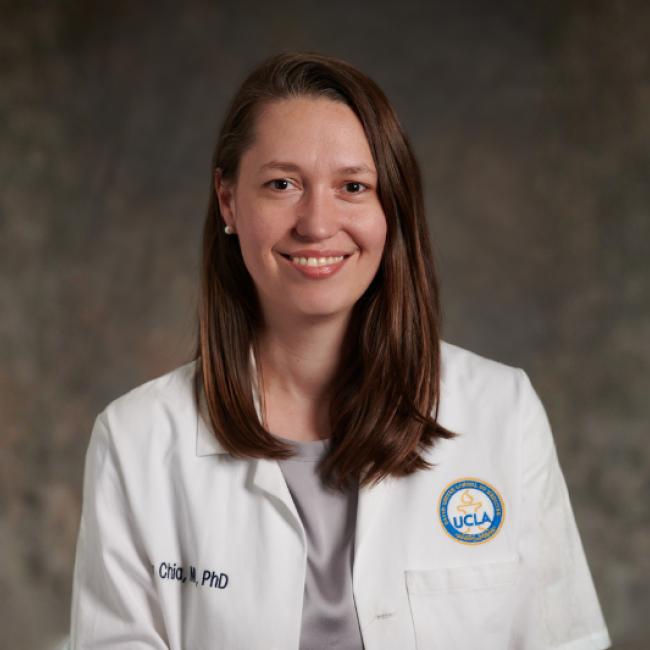
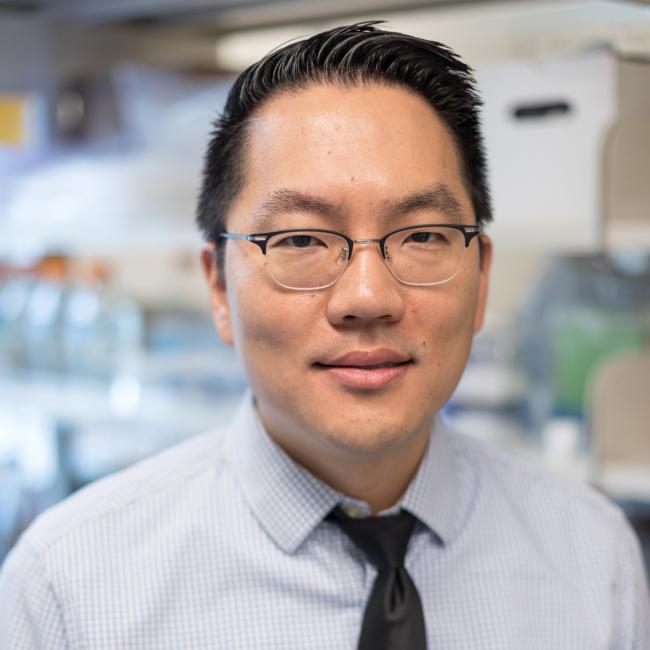
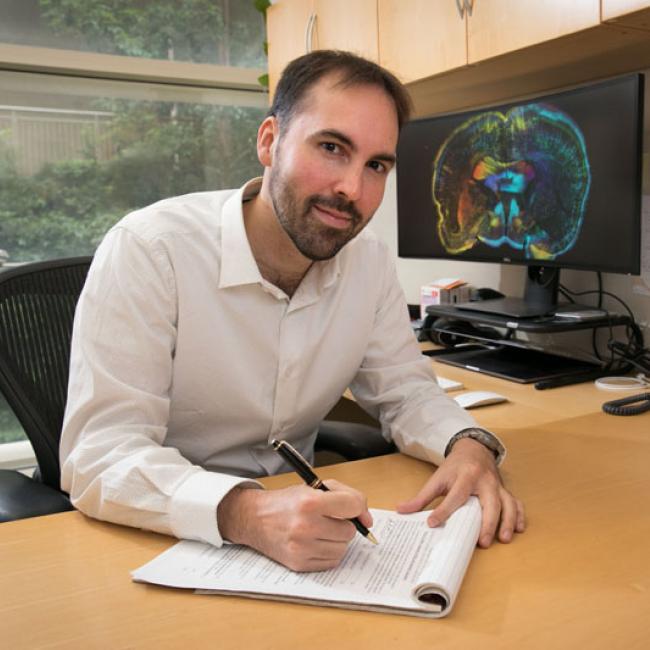
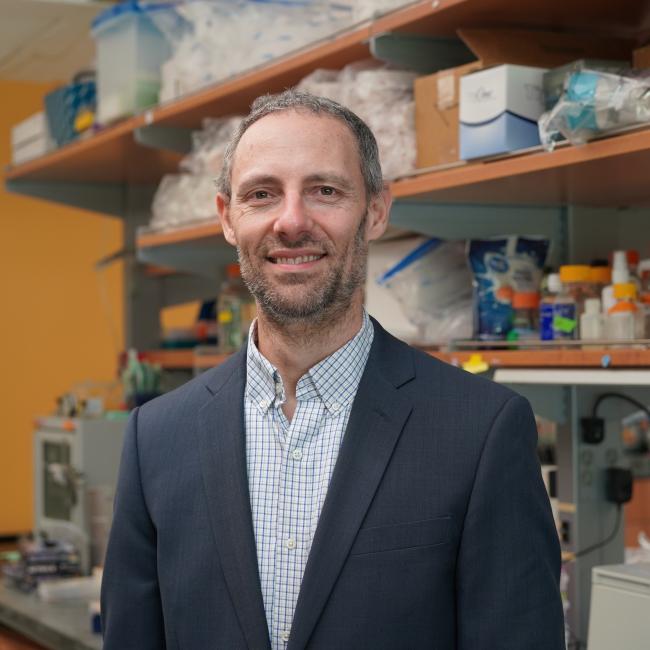
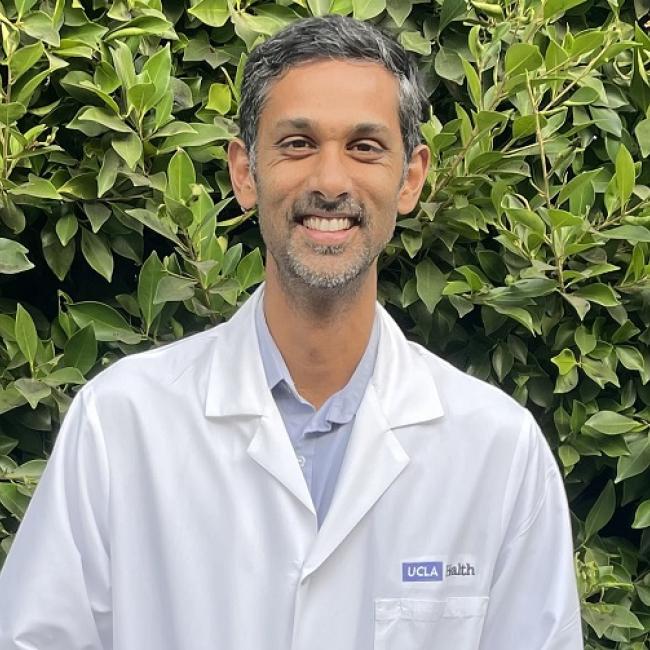
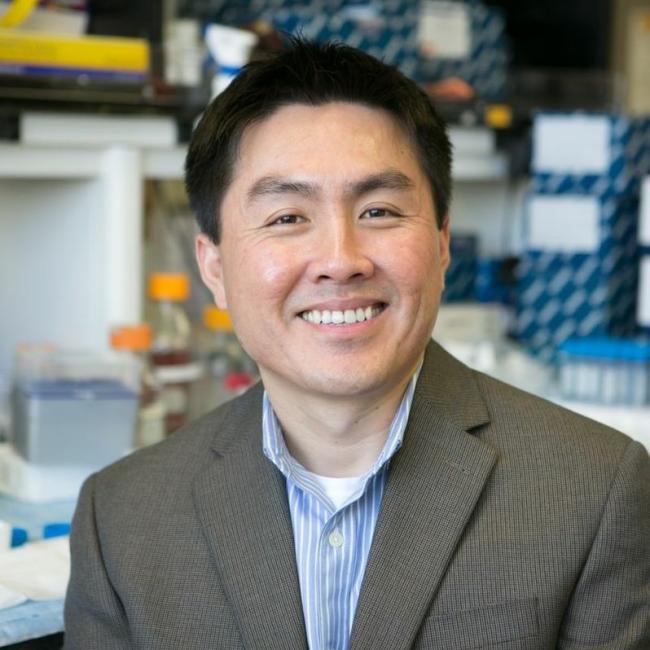
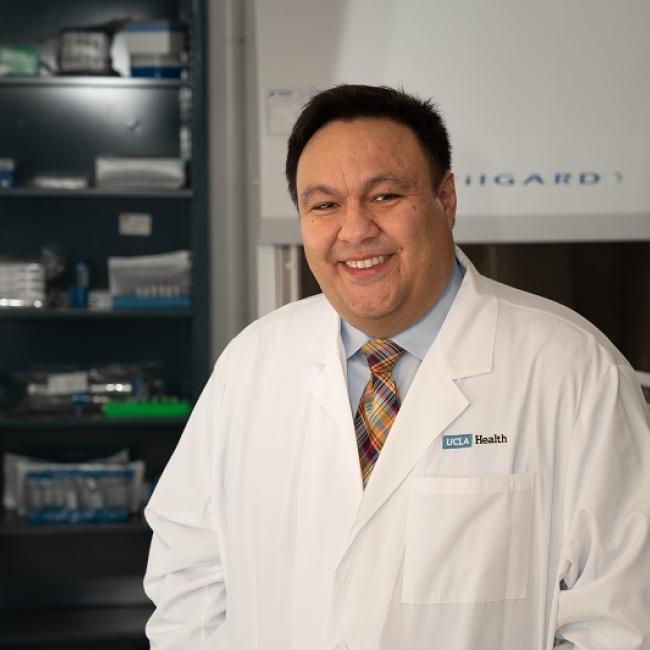
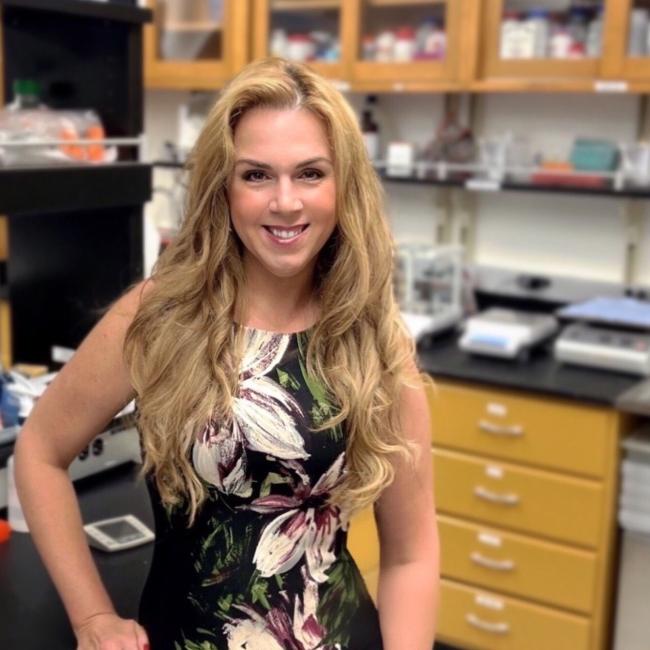
Trainees turned UCLA faculty and BSCRC members
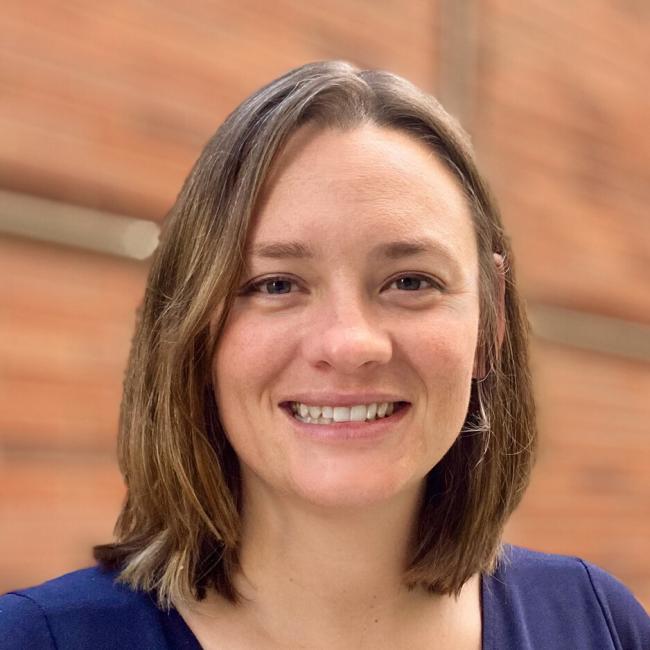
Program Director
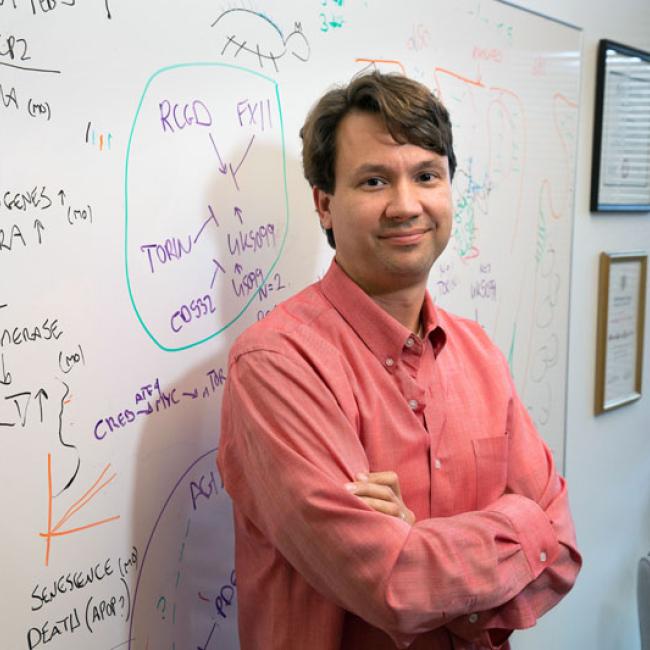
Contact
To learn more about the training program or add your email address to the listserv, please email BSCRCAwards@mednet.ucla.edu and include "BSCRC Training Program" in the subject line.
Please contact Noushig Karpanian at NKarpanian@mednet.ucla.edu with any questions.