
UCLA researchers receive NIH grant to boost the effectiveness of cancer immunotherapy
Dr. Cristina Puig-Saus, an associate professor of microbiology, immunology and molecular genetics and surgical oncology at the David Geffen School of Medicine at UCLA and an investigator at the UCLA Health Jonsson Comprehensive Cancer Center, and her research team have received a five-year, $3.9 million grant from the National Cancer Institute to develop drug-based strategies that could enhance cancer immunotherapy for patients with melanoma and potentially other types of cancer.
Immunotherapies, including immune checkpoint inhibitors and T-cell therapies, have transformed cancer treatment by harnessing the body's own immune system to attack tumors. However, these therapies do not work for every patient because T cells often struggle to recognize or eliminate cancer cells, and tumors can evolve to evade the body’s immune response.
Using a drug screening platform developed in the Puig-Saus laboratory to test thousands of compounds, the research team identified two promising candidates that could help overcome these barriers. One appears to strengthen the interaction between T cells and cancer cells, helping the immune system mount a more effective attack. The other makes tumor cells more susceptible to destruction by T cells without directly altering the immune cells themselves.
The funding will support studies to test whether these compounds can boost the effectiveness of existing immunotherapies in preclinical models of melanoma. The team will also investigate how the drugs work and evaluate their potential to safely enhance the immune system's ability to eliminate cancer.
"If successful, these drugs could significantly improve the effectiveness of current immunotherapies and help more patients benefit from these treatments," said Puig-Saus, who is also a member of the UCLA Broad Stem Cell Research Center and the UCLA Parker Institute for Cancer Immunotherapy. "Because they are designed to work alongside existing immunotherapies, this approach also has the potential to be applied across many different types of cancer."
Contact

Meet the Researchers
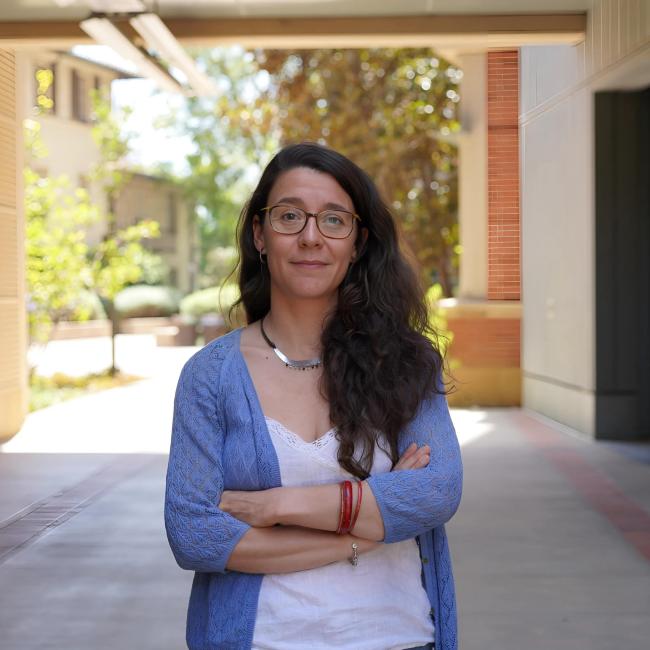
- Assistant Professor, Microbiology, Immunology and Molecular Genetics