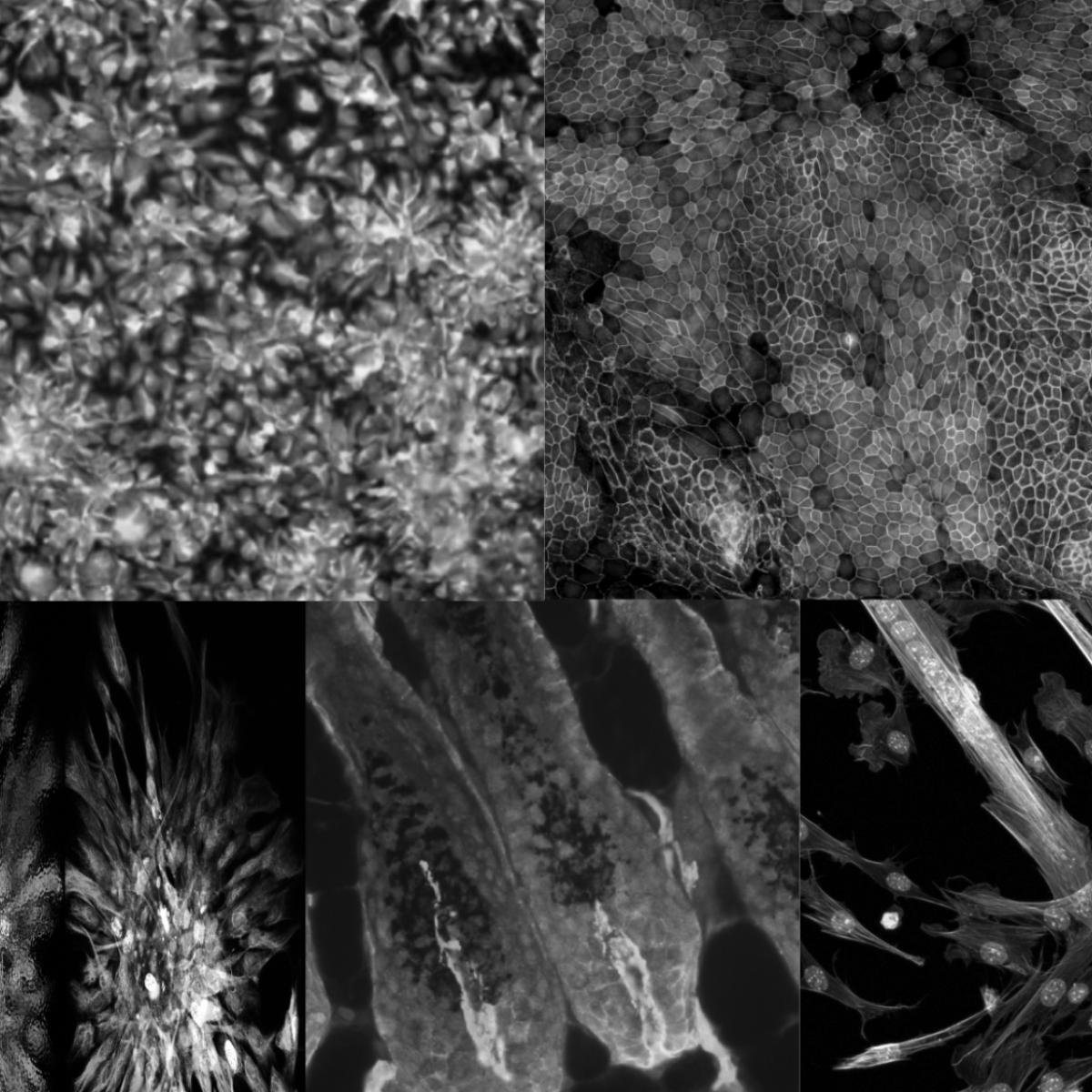

About the exhibit
Experience a captivating visual journey showcasing the extraordinary science at the UCLA Broad Stem Cell Research Center(opens in a new tab), where cutting-edge technologies like artificial intelligence, gene and base editing and 3D bioprinting are driving transformative therapies that are rewriting the future of human health.
Whether you love science, study it or are just curious about the future of medicine, this exhibit reveals how breakthrough research can also be breathtakingly beautiful. Discover how UCLA is leading the charge in regenerative medicine, turning today's discoveries into tomorrow's life-saving therapies.
The exhibit was hosted by UCLA Library in partnership with the UCLA Broad Stem Cell Research Center.
What are stem cells?
Stem cells are the body’s raw materials — cells with the unique ability to develop into many different cell types. They can be used to study diseases, test new drugs, and potentially regenerate or repair damaged tissues.
At our center, scientists use stem cells to understand how the body works, discover how diseases originate, and develop therapies that could one day cure conditions that were once considered untreatable.
Can you guess the cells?
Stem cells are remarkable because of what they can become. With the right molecular signals, scientists can guide them to develop into many types of specialized cells — including brain cells, heart cells, blood cells, and more.
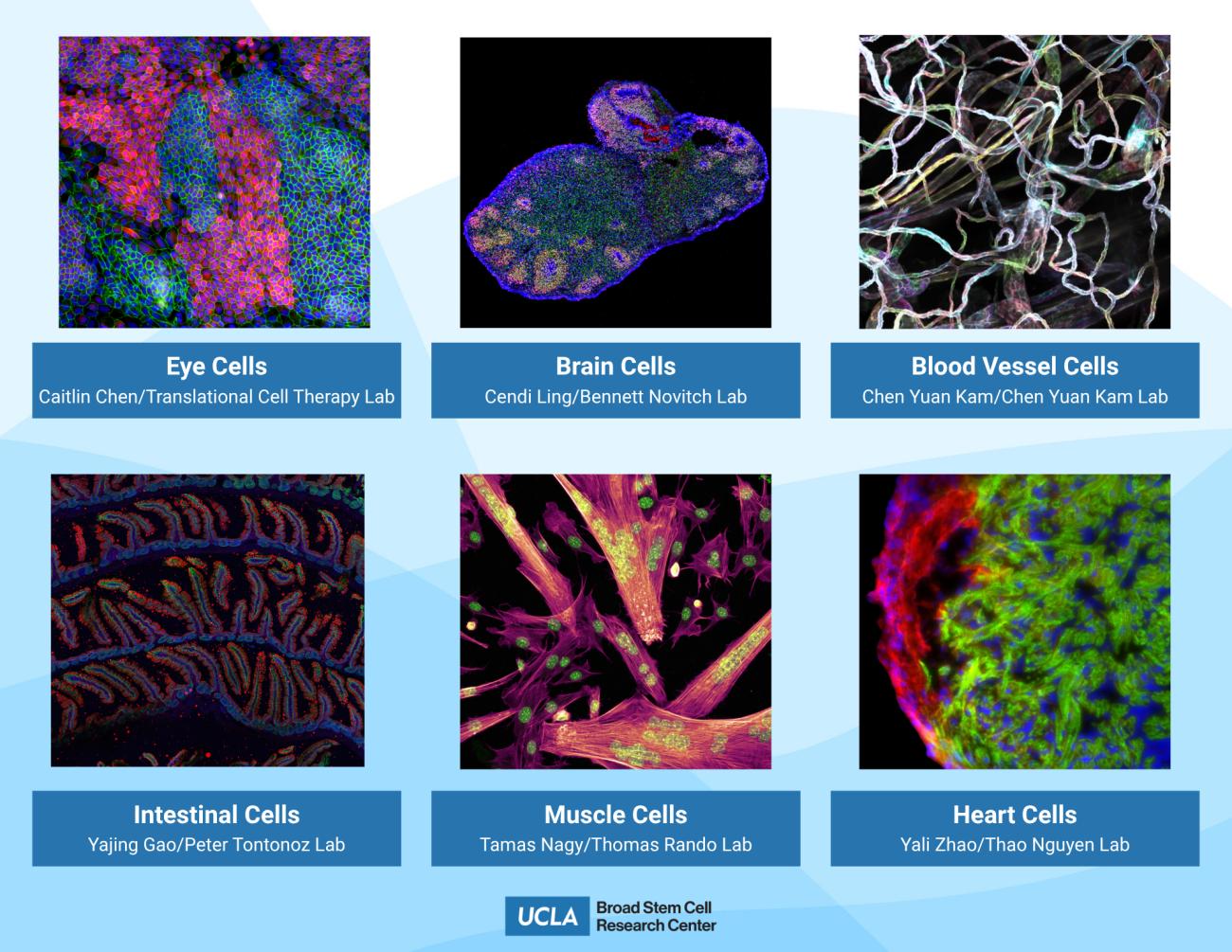
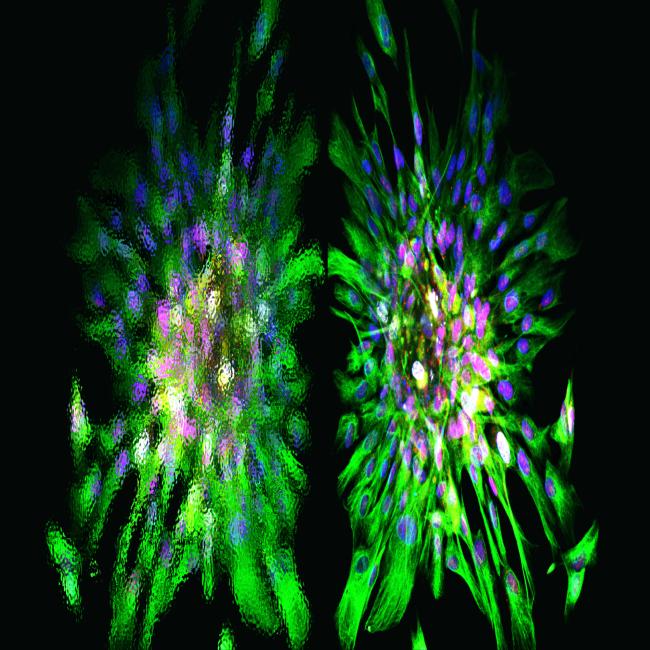
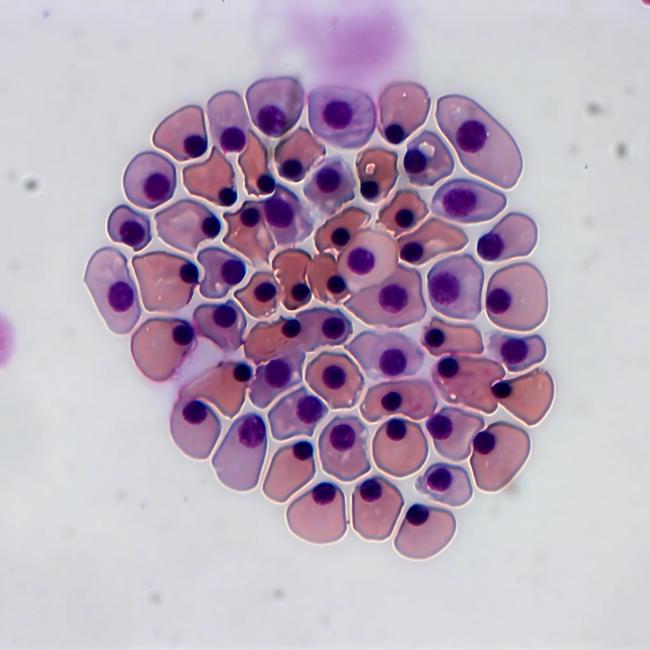
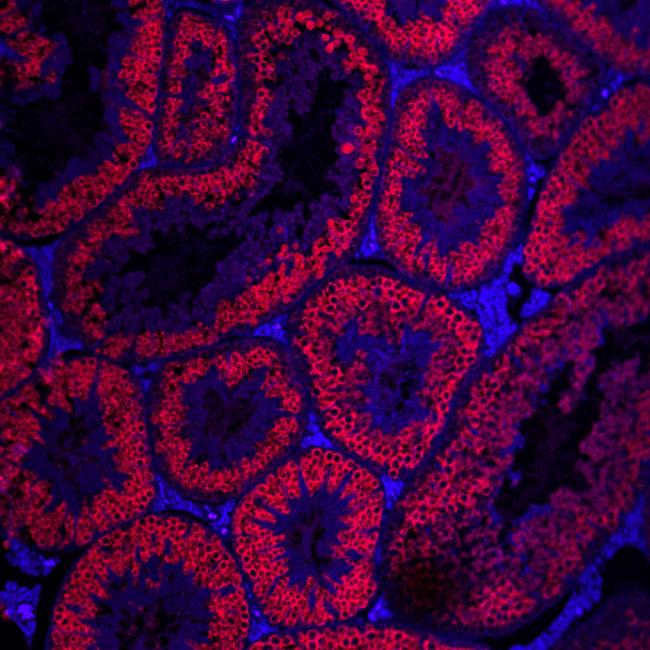
This section features six high-resolution microscopy images of different cell types. Can you guess which is which?
Match each image with one of the following cell types:
- Brain cells
- Blood vessel cells
- Muscle cells
- Heart cells
- Eye cells
- Intestinal cells

1

2

3

4

5

6
Gallery

Microscopy image showing sensory interneurons — the cells that enable sensations like touch, pain, and itch — with nuclei visible in red. Scientists study how these cells grow from stem cells with the ultimate goal of developing therapies that restore sensation in people who have lost feeling due to spinal cord injuries. Credit: Sandeep Gupta/Samantha Butler Lab

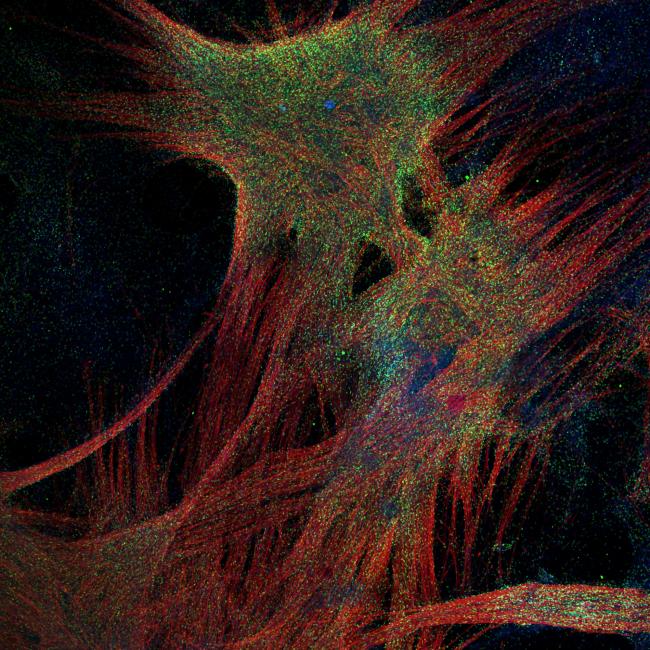
Microscopy image showing skeletal muscle fibers (red) produced from embryonic stem cells, with muscle stem cells in green and cell nuclei in blue. Scientists use models like this one to study how skeletal muscle forms, functions, and regenerates — insights from this work could lead to treatments for muscle-wasting diseases and age-related decline. Credit: Kilian Mazaleyrat/April Pyle Lab

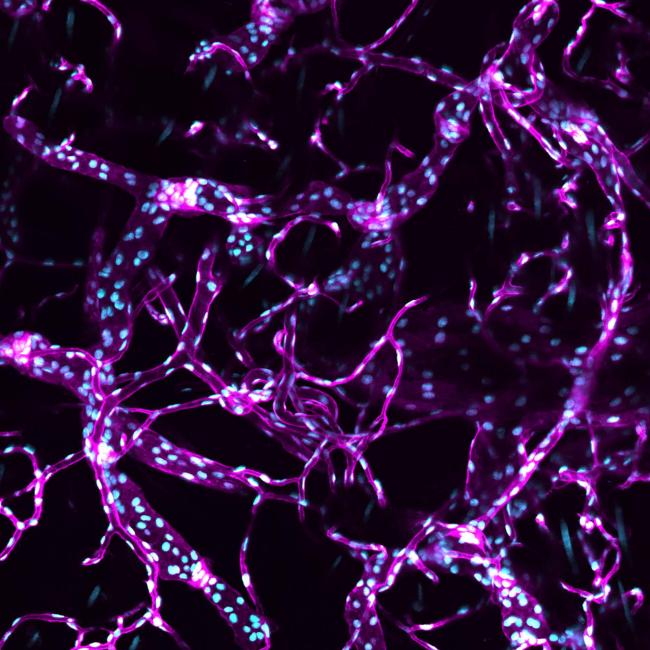
Microscopy image showing the endothelium — the thin cellular lining found inside blood vessels — with fluorescent markers illuminating both the cell membranes and nuclei. This visualization technique allows researchers to study the structure and organization of our blood vessel network. Credit: Chen Yuan Kam/Chen Yuan Kam Lab

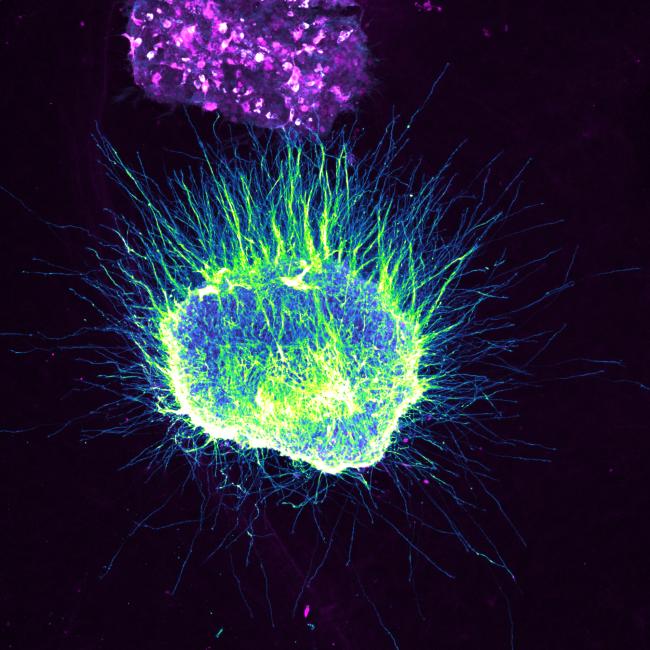
Microscopy image showing neurons from a rat spinal cord growing toward cells that produce high levels of a protein known to guide neuron growth. Researchers use these samples to study how neurons form the connections between the left and right sides of our bodies during development. Credit: Yesica Mercado-Ayon/Samantha Butler Lab

Microscopy image showing neurons grown from stem cells that were genetically edited to carry a variant in CHD8, a gene associated with autism risk. Research findings have shown that this specific variant slows the maturation of excitatory neurons, offering insight into how genetic changes may contribute to autism. Credit: Aubrey Osorio and George Chen/Daniel Geschwind Lab

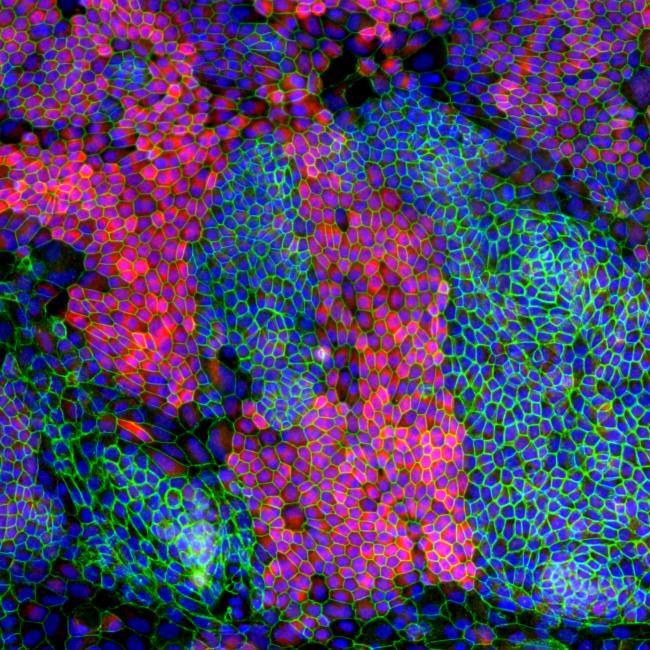
Microscopy image showing retinal pigment epithelium (RPE) cells grown from stem cells, with cell borders in green, a mature RPE marker in red, and nuclei in blue. These lab-grown cells are being developed as a potential treatment for vision loss caused by degeneration of the eye’s natural RPE layer, which supports photoreceptor function. Credit: Caitlin Chen and Shahab Younesi/Translational Cell Therapy Lab

Microscopy image showing retinal pigment epithelium (RPE) cells grown from stem cells, with cell borders in green, a mature RPE marker in red, and nuclei in blue. These lab-grown cells are being developed as a potential treatment for vision loss caused by degeneration of the eye’s natural RPE layer, which supports photoreceptor function. Credit: Caitlin Chen and Shahab Younesi/Translational Cell Therapy Lab

Microscopy image of the earliest red blood cells formed in the placenta during development. Scientists are studying how the placenta supports the formation of these cells — insights that could improve lifelong blood health. Credit: Ben Van Handel/Hanna Mikkola Lab

Microscopy image showing the germline — the cells that will become eggs or sperm during early human development – in red. Researchers use human stem cells to model how healthy germ cells form, and to uncover the genetic, molecular, and environmental factors that can disrupt this process, potentially leading to infertility or reproductive aging. Credit: Tan Yao Chang/Amander Clark Lab

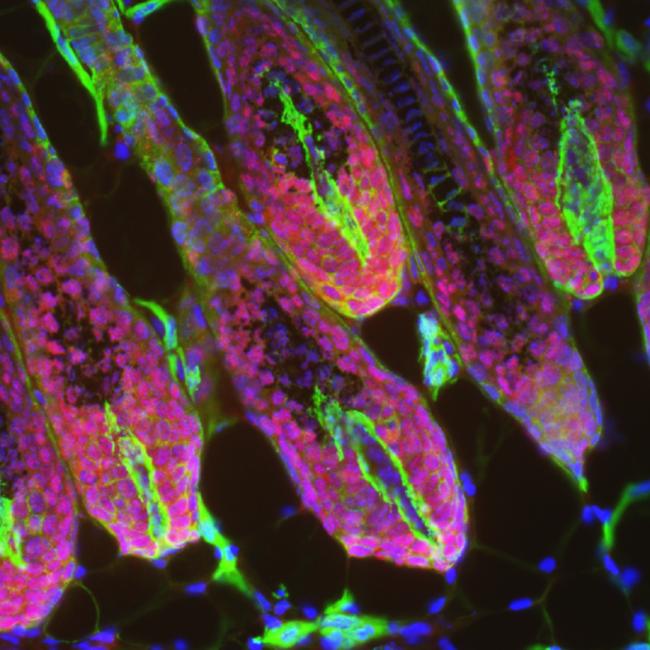
Microscopy image of mouse hair follicles producing new hair. Some of the deadliest forms of skin cancer begin in the hair follicle. By studying how these structures are regulated at the metabolic level, scientists are uncovering how certain tumors form — and identifying new strategies for prevention and treatment. Credit: Andrew White/William Lowry Lab

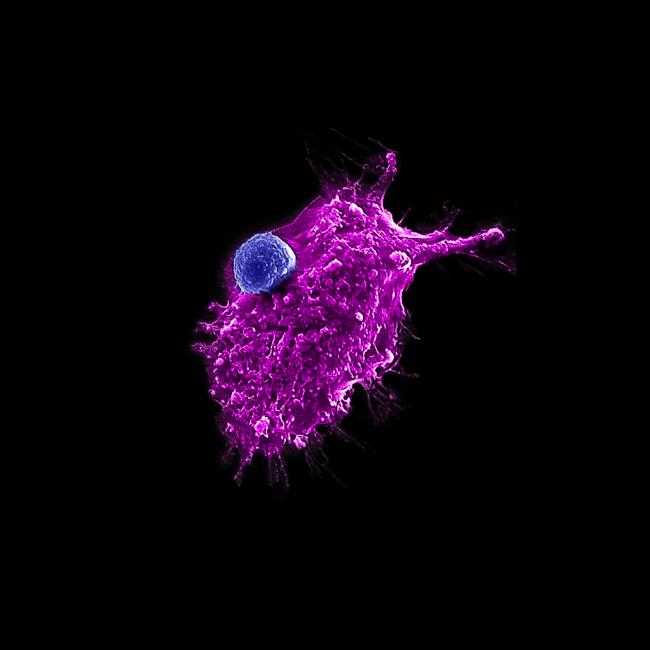
A hematopoietic stem cell-engineered natural killer T (HSC-NKT) cell (blue) attacking a human tumor cell (magenta). In preclinical studies, HSC-NKT cells show superior cancer-fighting abilities compared to other immune cells. Credit: Yanruide (Charlie) Li and Enbo Zhu/Lili Yang Lab

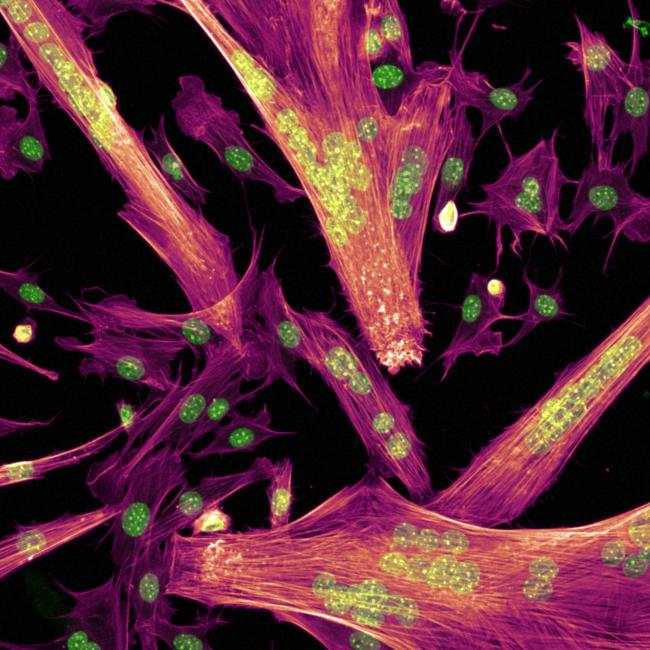
Microscopy image of muscle cells fusing to form proto-muscle fibers, with cytoskeletal structures shown in coral and nuclei visible in green. Researchers study this process to understand how muscles regenerate, with the ultimate goal of developing therapies to counteract age-related decline. Credit: Tamas Nagy/Thomas Rando Lab

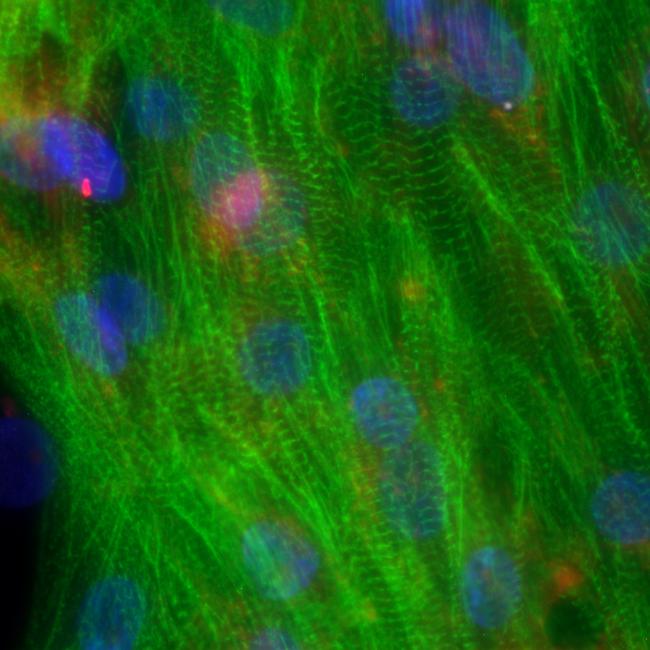
Microscopy image of heart cells grown from human stem cells. Green highlights the contractile filaments that allow the heart to beat; blue marks the cell nuclei. These models are used to study heart disease and test new treatments. Credit: Haruko Nakano/Atsushi (Austin) Nakano Lab

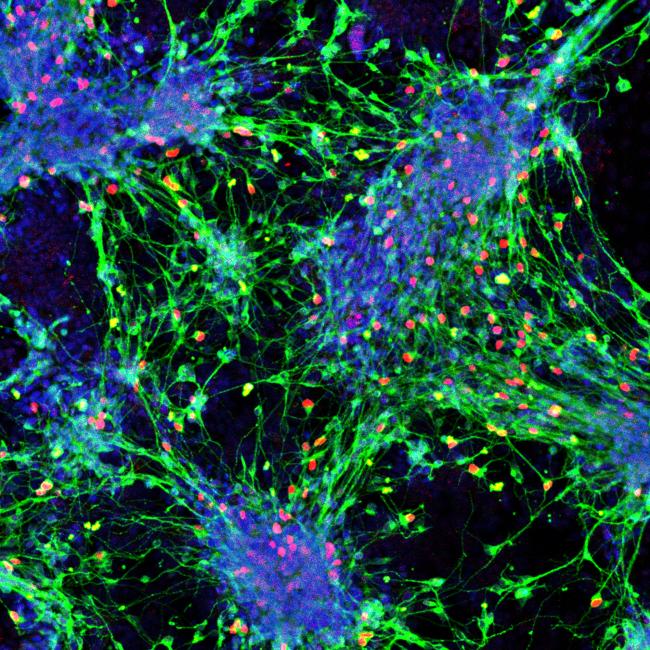
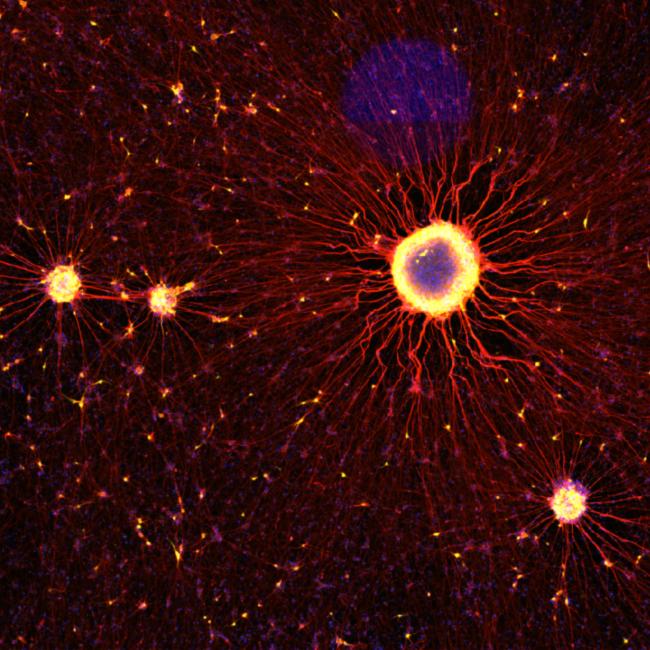
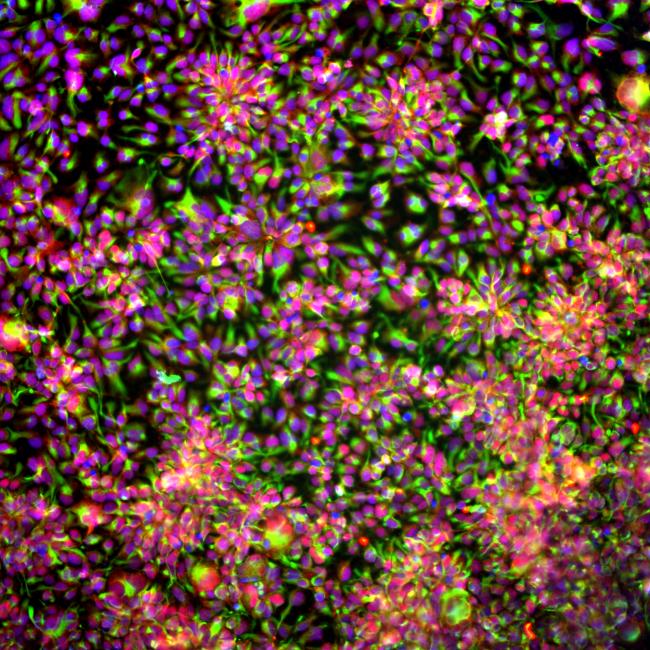
Microscopy image showing neural cell “villages” created from human stem cells. Scientists use cell village platforms to screen large numbers of individual genetic lineages simultaneously – helping ensure that research findings are relevant to people of all backgrounds. Credit: Tim Derebenskiy/Michael F. Wells Lab

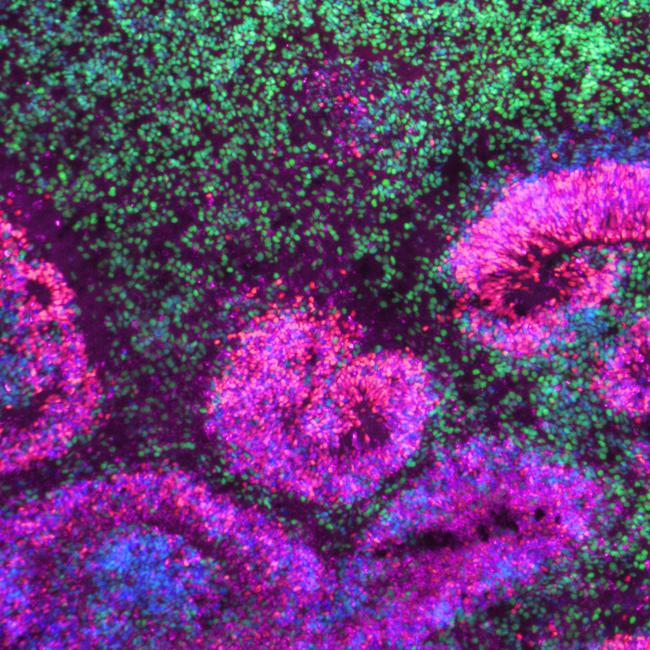
Microscopy image of a cortical organoid, a stem cell-derived model that mimics the developing human brain. The circular rosettes are clusters of neural stem cells giving rise to neurons, shown in green. Credit: Jose Soto/Aparna Bhaduri Lab

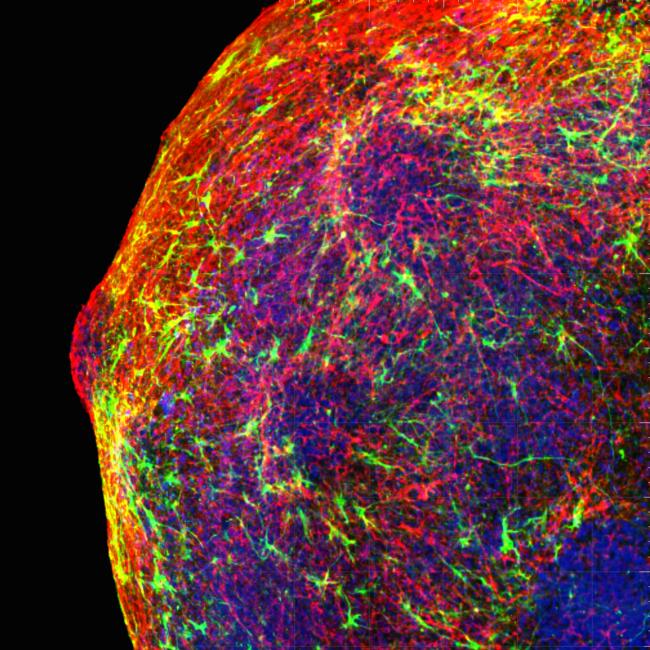
Microscopy image of a cortical spheroid — a 3D brain-like tissue model grown from human stem cells. This model contains neurons (green) and astrocytes (red), and helps scientists study how the human brain develops in the lab. Credit: George Chen/Daniel Geschwind Lab
About the UCLA Broad Stem Cell Research Center
Founded in 2005, the Eli and Edythe Broad Center of Regenerative Medicine and Stem Cell Research at UCLA is a hub for scientific discovery and innovation.
The center brings together researchers, clinicians and engineers to transform basic science research into real-world therapies — accelerating progress in fields like gene editing, tissue regeneration and personalized medicine.
Turning research into therapies
At the UCLA Broad Stem Cell Research Center, scientific discoveries are moving from the lab bench to the patient bedside.
Dozens of experimental therapies developed here are now in clinical trials — offering new hope for people living with conditions once considered untreatable.
Activating Stem Cells to Regrow Hair
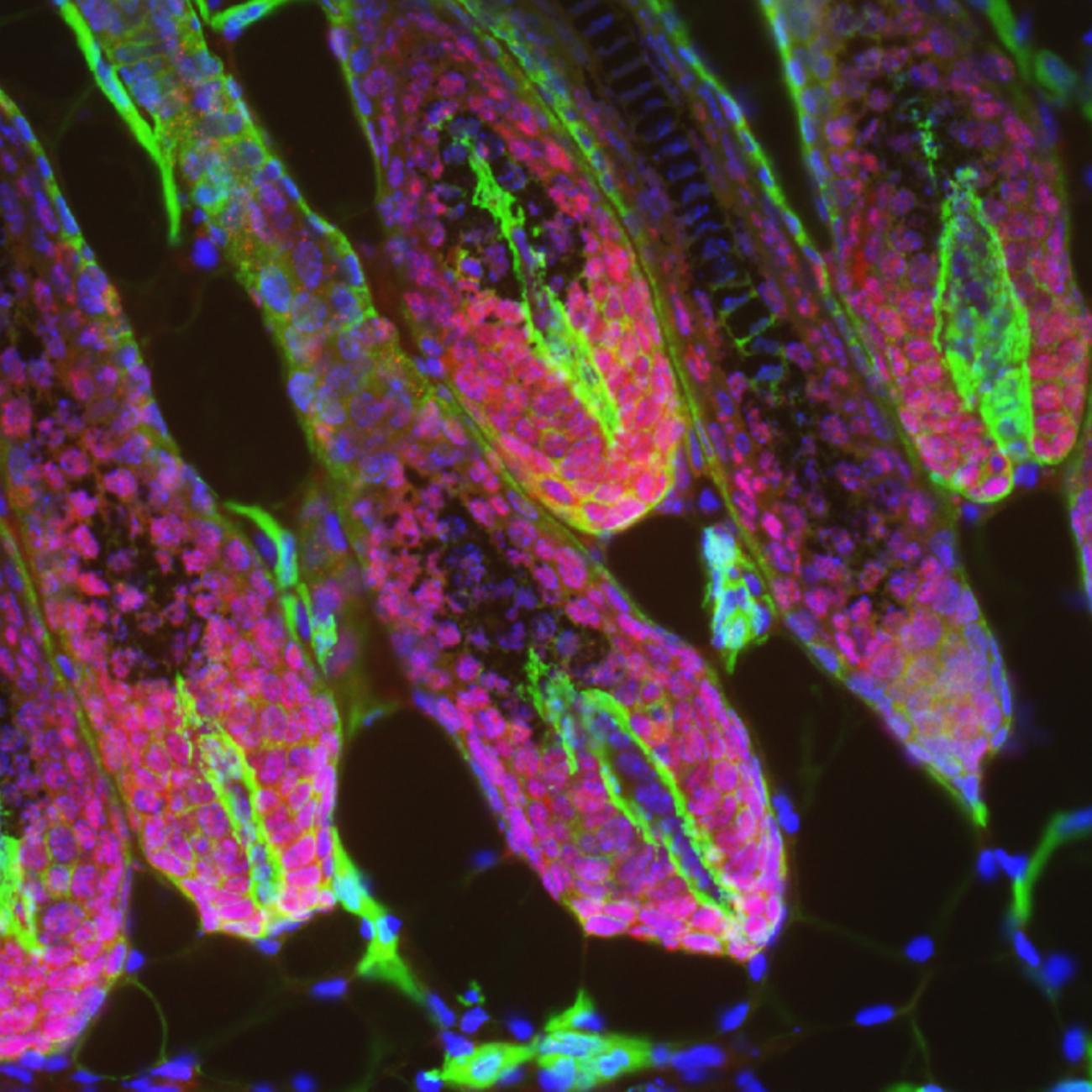
Hair follicles | Andrew White/Lowry Lab
Condition: Androgenetic alopecia (common hair loss)
UCLA innovation: Scientists Dr. Heather Christofk and Dr. William Lowry discovered a molecule called PP405 that reactivates stem cells in hair follicles to promote natural hair regrowth.
Where it stands: Early-phase safety trials completed; trials for effectiveness expected to begin soon.
Why it matters: Could be the first stem cell-targeted therapy for baldness — no surgery or injections required.
Hair-follicle stem cells are like Batman, waiting to spring into action. They sit in their lair — the stem-cell niche — with special tools and capabilities but do not use them until they see the Bat-Signal in the sky
- Associate Director, Education and Technology Transfer, UCLA Broad Stem Cell Research Center
- Professor, Molecular, Cell and Developmental Biology
Restoring Vision With Limbal Stem Cells
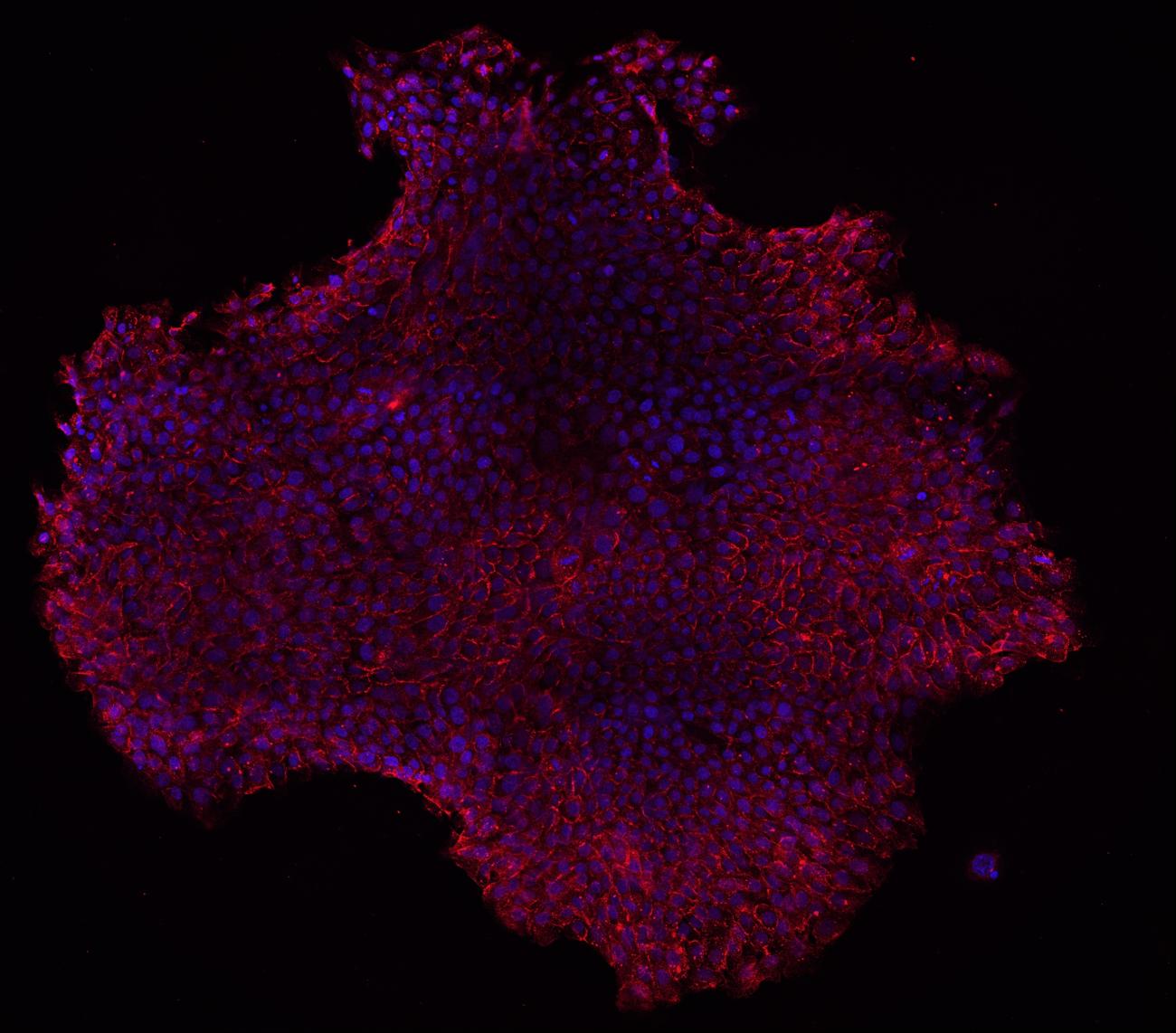
Limbal stem cells | Sheyla Garrido/Deng Lab
Condition: Limbal stem cell deficiency
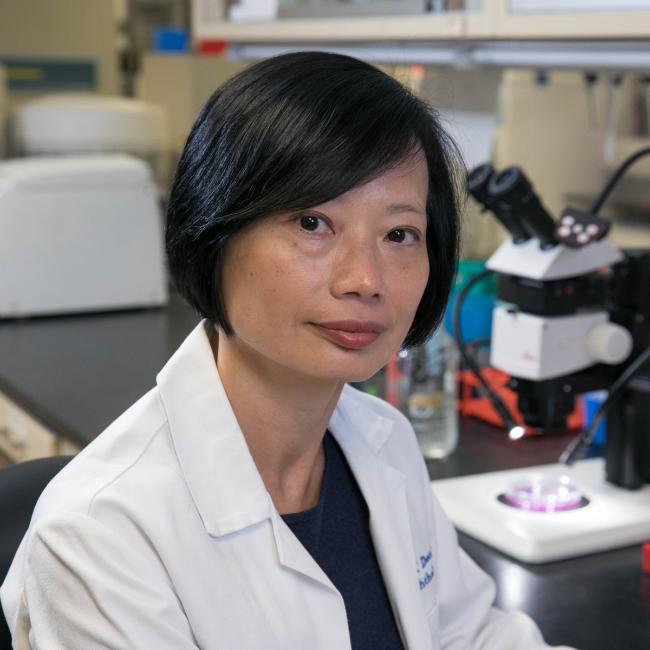
UCLA innovation: Dr. Sophie Deng and her team developed a way to grow and transplant a patient’s own limbal stem cells to regenerate the corneal surface.
Where it stands: A Phase 1 clinical trial at UCLA is testing the safety and effectiveness of this personalized treatment.
Why it matters: Early results are promising: patients have experienced reduced pain and improved vision — all without the risk of immune rejection.
This is one of the most challenging diseases I encountered during my training. Patients suffer from pain, light sensitivity, and even blindness — so I turned to research to find a better treatment.
- Professor, Ophthalmology
Restoring Immunity With Gene Therapy
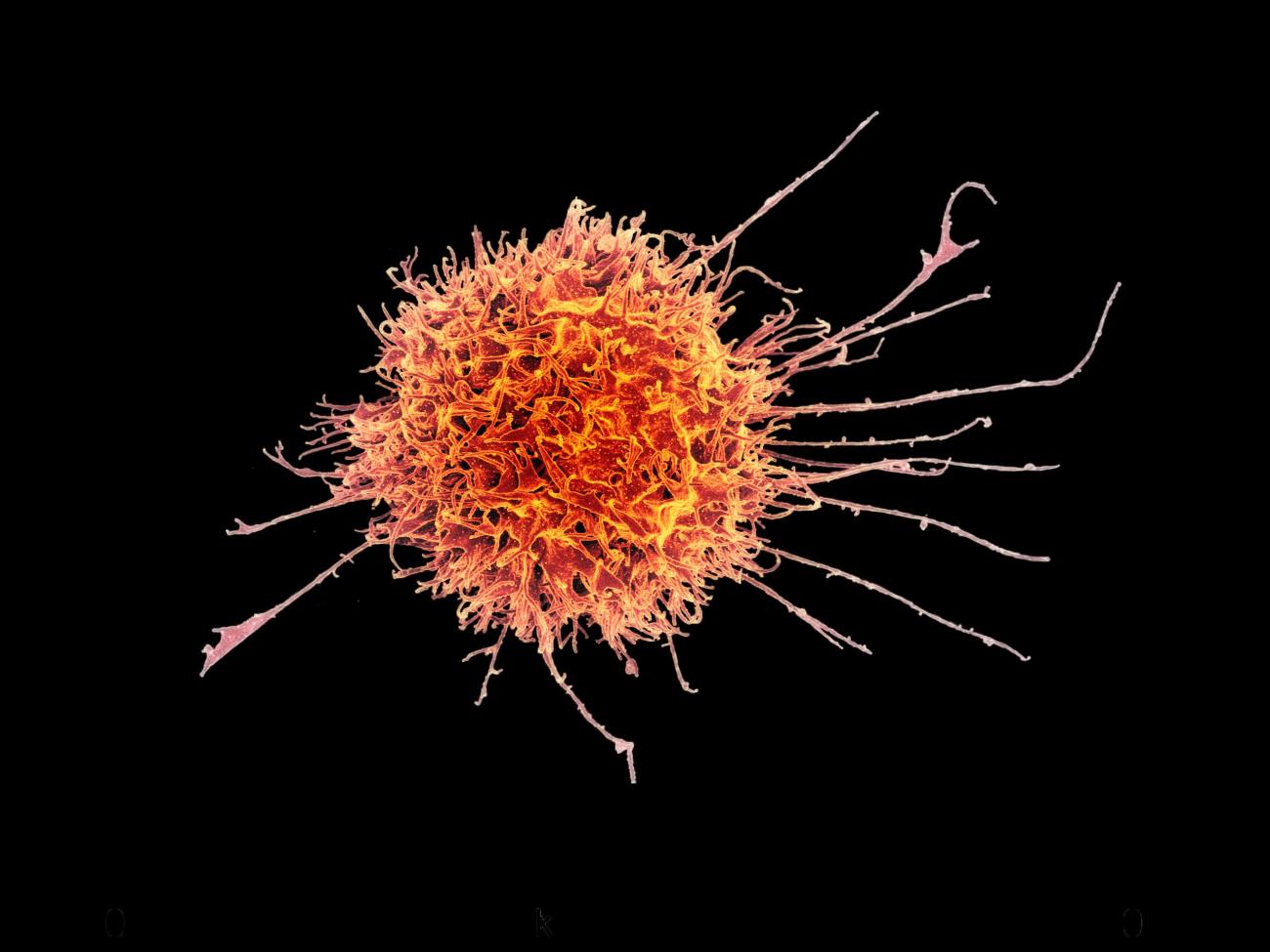
Human immune cell | NIH
Condition: ADA-SCID, a rare immune disorder that leaves infants without protection from infection
UCLA innovation: Dr. Donald Kohn and his team developed a gene therapy that corrects the child’s own blood stem cells to build a working immune system.
Where it stands: Dozens of patients have seen lasting results in ongoing Phase 1/2 clinical trials.
Why it matters: After treatment, kids once confined to isolation are able to live full, healthy lives.
It’s not just a new life for Jakob, but it's a new life for us as parents. We get to live again, too.
Andrea Fernandez
mother of clinical trial patient Jakob

Engineering CAR-T Cells to Outsmart Cancer
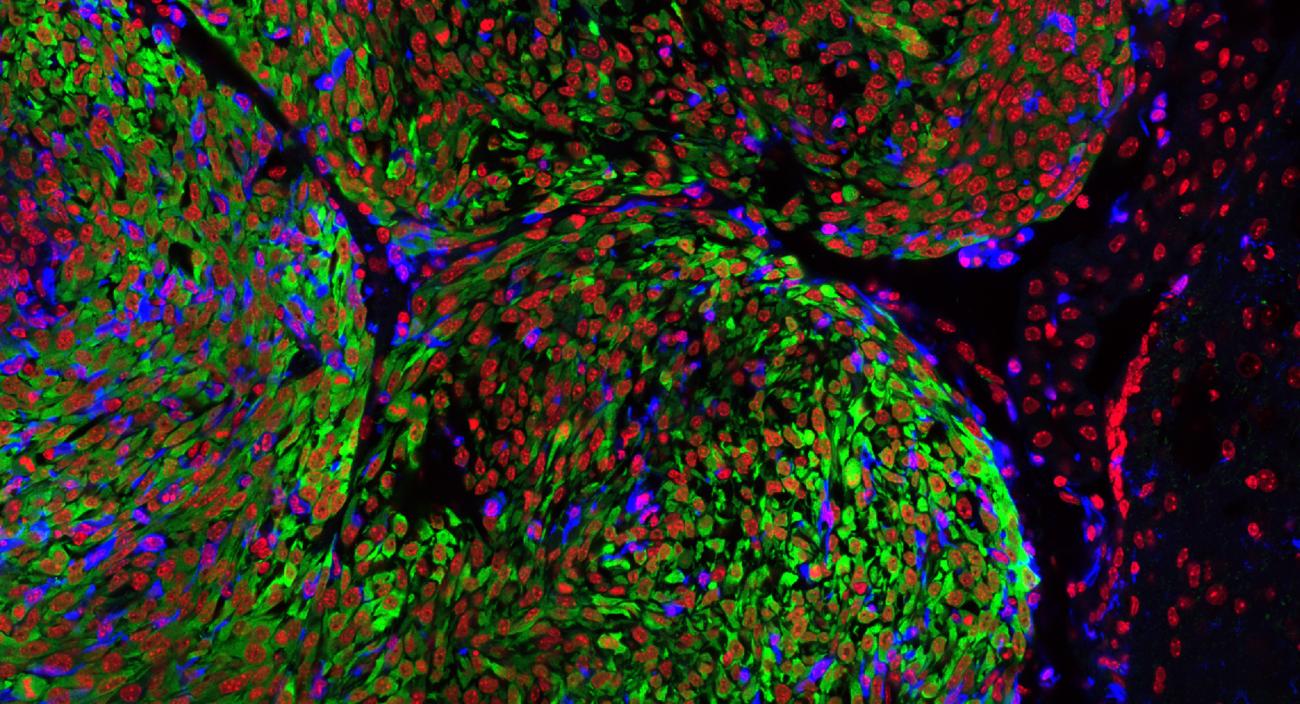
Cancer cells | Ryan Shih/Chen Lab
Condition: Non-Hodgkin’s B-cell lymphoma
UCLA innovation: Dr. Yvonne Chen and her team engineered dual-targeting CAR-T cells designed to outsmart cancer’s defenses and reduce the chances of relapse.
Where it stands: Currently in a Phase 2 clinical trial for patients with relapsed or resistant disease.
Why it matters: The new approach has helped patients — including some with no remaining treatment options — achieve remission.
I don’t have any symptoms at all, so I’ve been exercising more and getting back into martial arts. I feel like myself again.
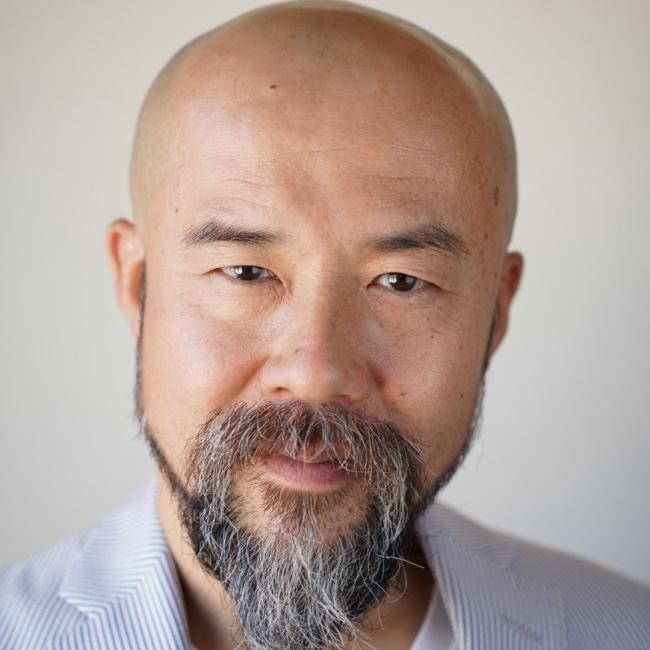
Hirotaka Matsunaga
clinical trial patient
From UCLA students to stem cell leaders
UCLA has long been a launchpad for the next generation of scientific leaders — a place where curiosity, collaboration, and public service drive discovery.
This section features six members of the Broad Stem Cell Research Center who earned their degrees right here at UCLA.
Today, they’re leading cutting-edge research in regenerative medicine — transforming scientific insights into potential therapies for patients around the world.
Lydia Daboussi, Ph.D.
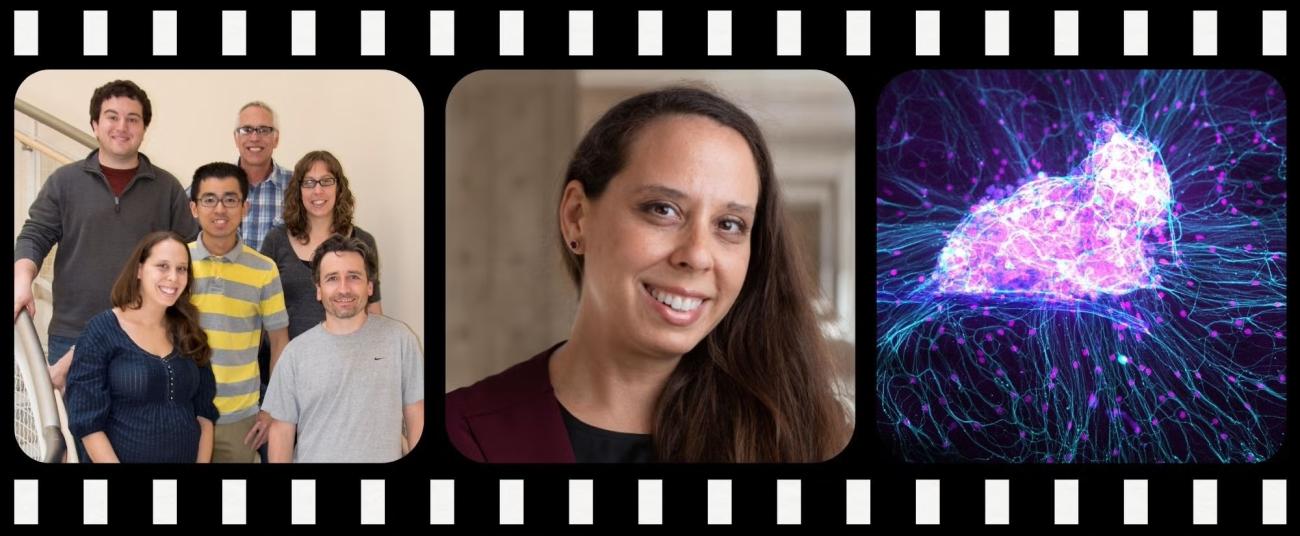
Title: Assistant Professor, Neurobiology
Research: Dr. Daboussi studies how nerves regenerate after injury and adapt during disease. Her research focuses on the peripheral nervous system and aims to harness its natural plasticity to promote repair.
By uncovering the molecular mechanisms that guide nerve regeneration, she hopes to inform the development of new therapies for neurological conditions.
UCLA degree: Ph.D., Biological Chemistry, 2013
Favorite UCLA memory: Watching the frequent red carpet events in Westwood 🎥
Bruce Dunn, Ph.D.
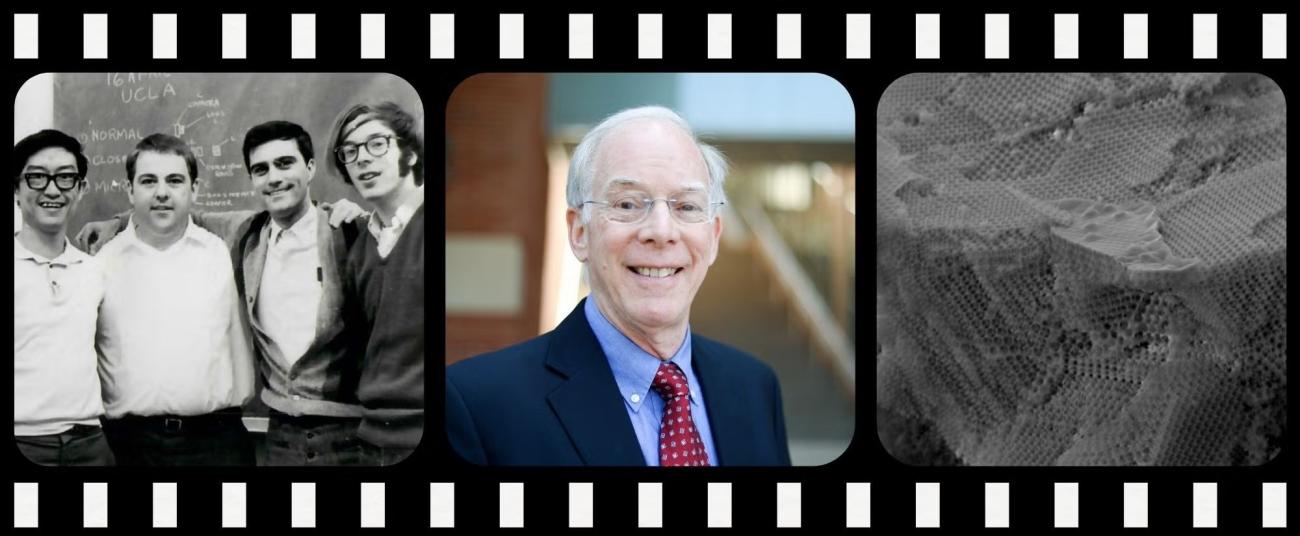
Title: Distinguished Professor, Materials Science and Engineering
Research: Dr. Dunn applies materials science and nanotechnology to stem cell research. His lab engineers smart materials that can influence how stem cells grow and differentiate.
This work supports advances in disease modeling, drug screening, and tissue regeneration — where precise control of cell behavior is essential for developing future therapies.
UCLA degree: Ph.D., Ceramics, 1974
Favorite UCLA memory: Cheering on the UCLA basketball team through 3 NCAA championships 🏀
Tara TeSlaa, Ph.D.
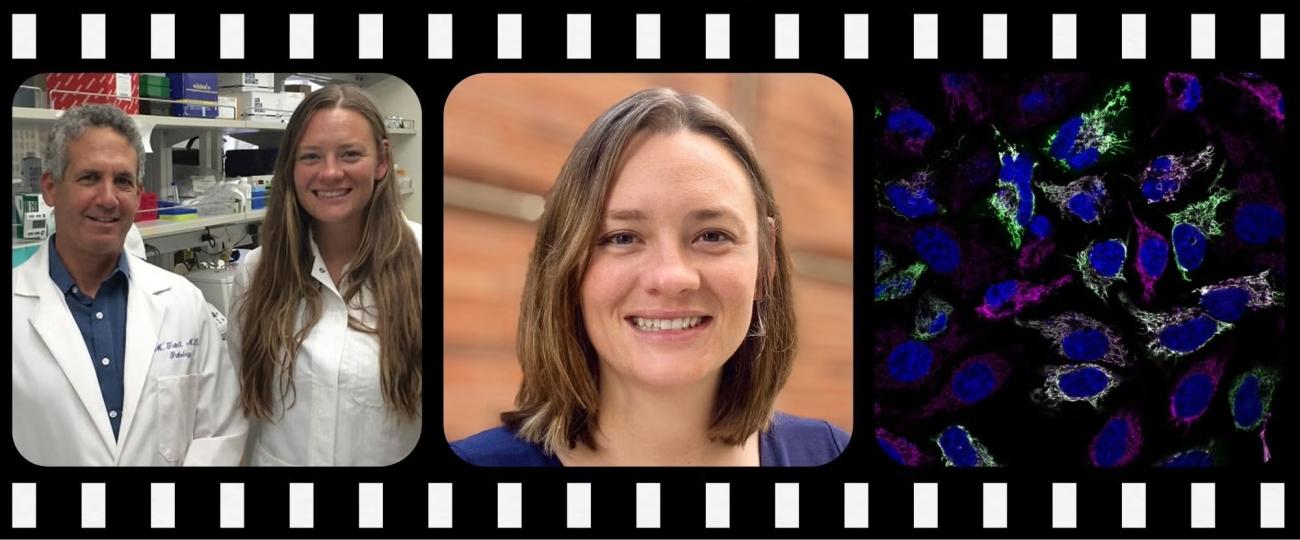
Title: Assistant Professor, Molecular and Medical Pharmacology
Research: Dr. TeSlaa studies how metabolism shapes cell identity and function — particularly how metabolic shifts contribute to diseases like diabetes.
Her work reveals how reprogramming a cell’s energy use can influence its behavior, with implications for treating metabolic disorders and improving the production of mature stem cells used in regenerative medicine.
UCLA degree: Ph.D., Molecular Biology, 2017
Favorite UCLA memory: Yoga at the Wooden Center 🧘
Valerie Arboleda, M.D., Ph.D.
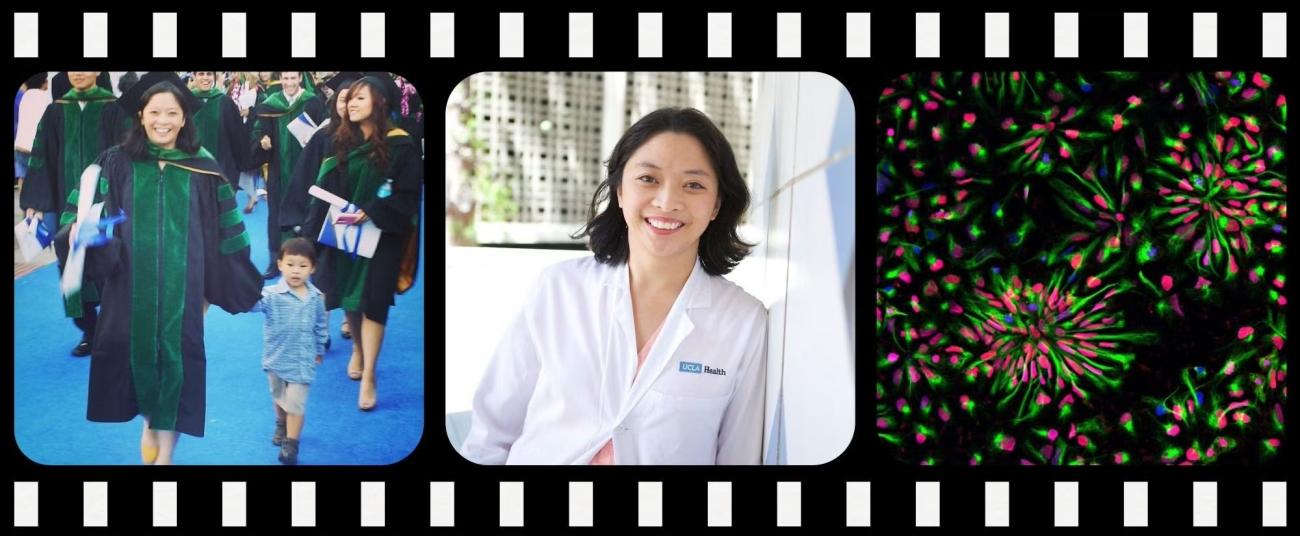
Title: Associate Professor, Pathology and Laboratory Medicine
Research: Dr. Arboleda investigates how genetic mutations — both rare and common — contribute to human disease.
Her work combines computational and experimental tools to uncover how changes in DNA affect development, particularly in neurodevelopmental disorders, and to identify targeted therapies based on each patient’s unique genetic profile.
UCLA degree: Ph.D., Human Genetics, 2012; M.D., 2014
Favorite UCLA memory: Lunches in the botanical garden on sunny days 🌿
D’Juan Farmer, Ph.D.
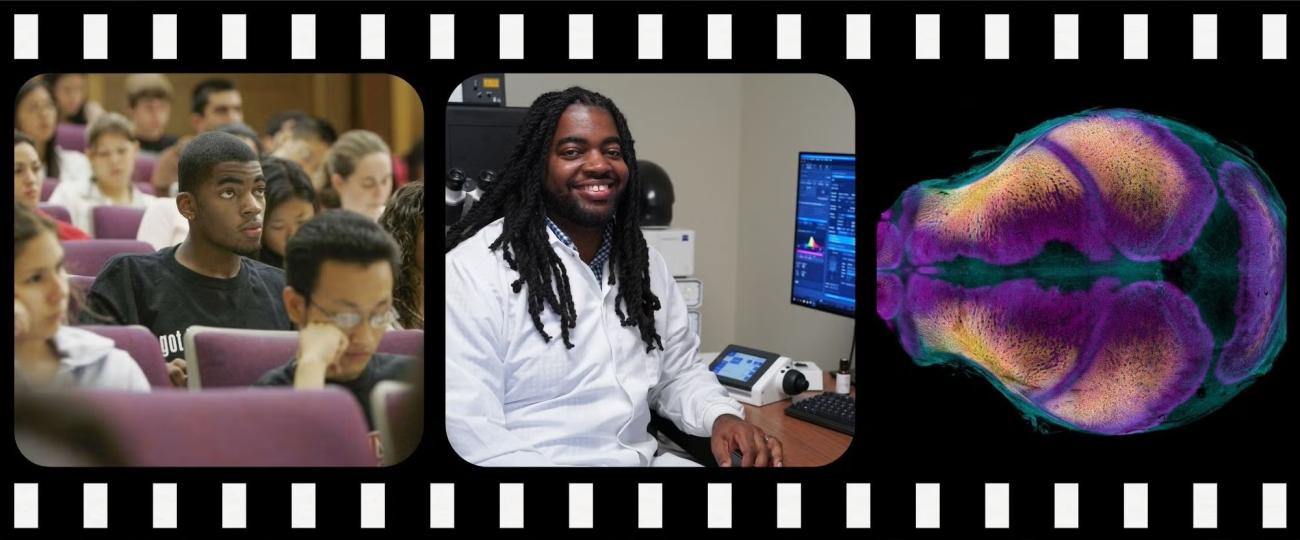
Title: Assistant Professor, Molecular, Cell and Developmental Biology
Research: Dr. Farmer investigates how the face and skull develop at the molecular level.
His research explores how stem cells shape craniofacial structures during development — and how disruptions in these processes lead to common birth defects. By understanding these pathways, he aims to lay the groundwork for future regenerative therapies.
UCLA degree: B.S., Molecular, Cell and Developmental Biology, 2010
Favorite UCLA memory: Late-night group study sessions where no one studied 📚😄
Steven Jonas, M.D., Ph.D.
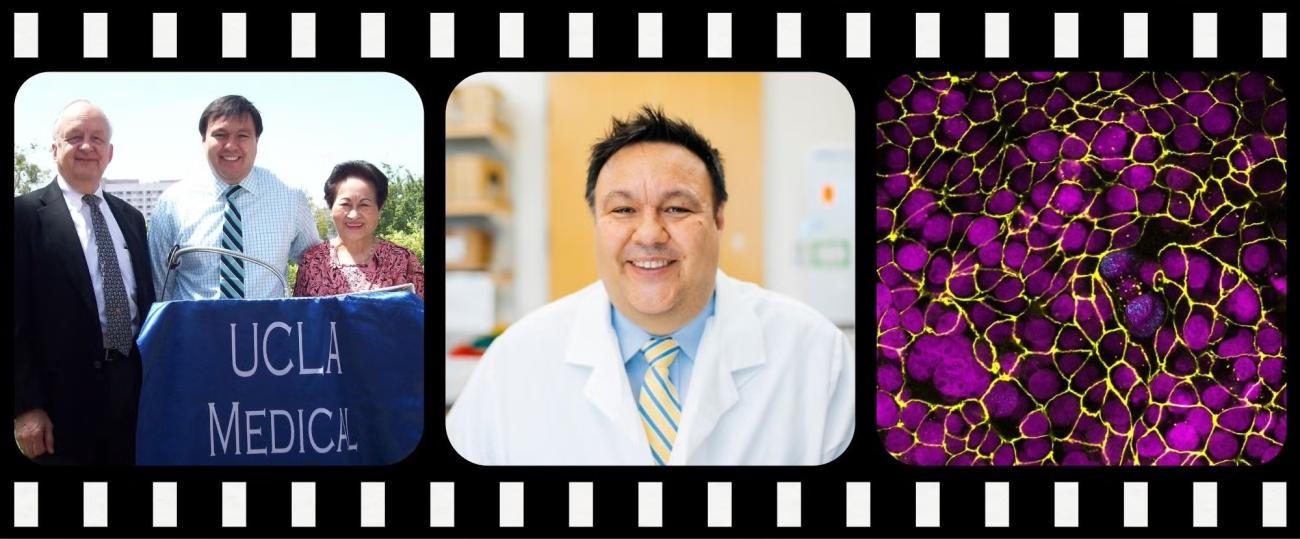
Title: Assistant Professor, Pediatrics
Research: As a pediatric hematologist/oncologist, Dr. Jonas treats children undergoing stem cell transplants and gene therapies.
In the lab, he designs nanotechnology-based tools to speed up the development of gene and cell therapies — for conditions like cancer, cystic fibrosis, and rare blood disorders — while working to make these advanced treatments more affordable and accessible.
UCLA degree: Ph.D., Mathematical Sciences, 2010; MD, 2012
Favorite UCLA memory: Pre-lab morning surf sessions 🏄
Use this exhibit
For Educators
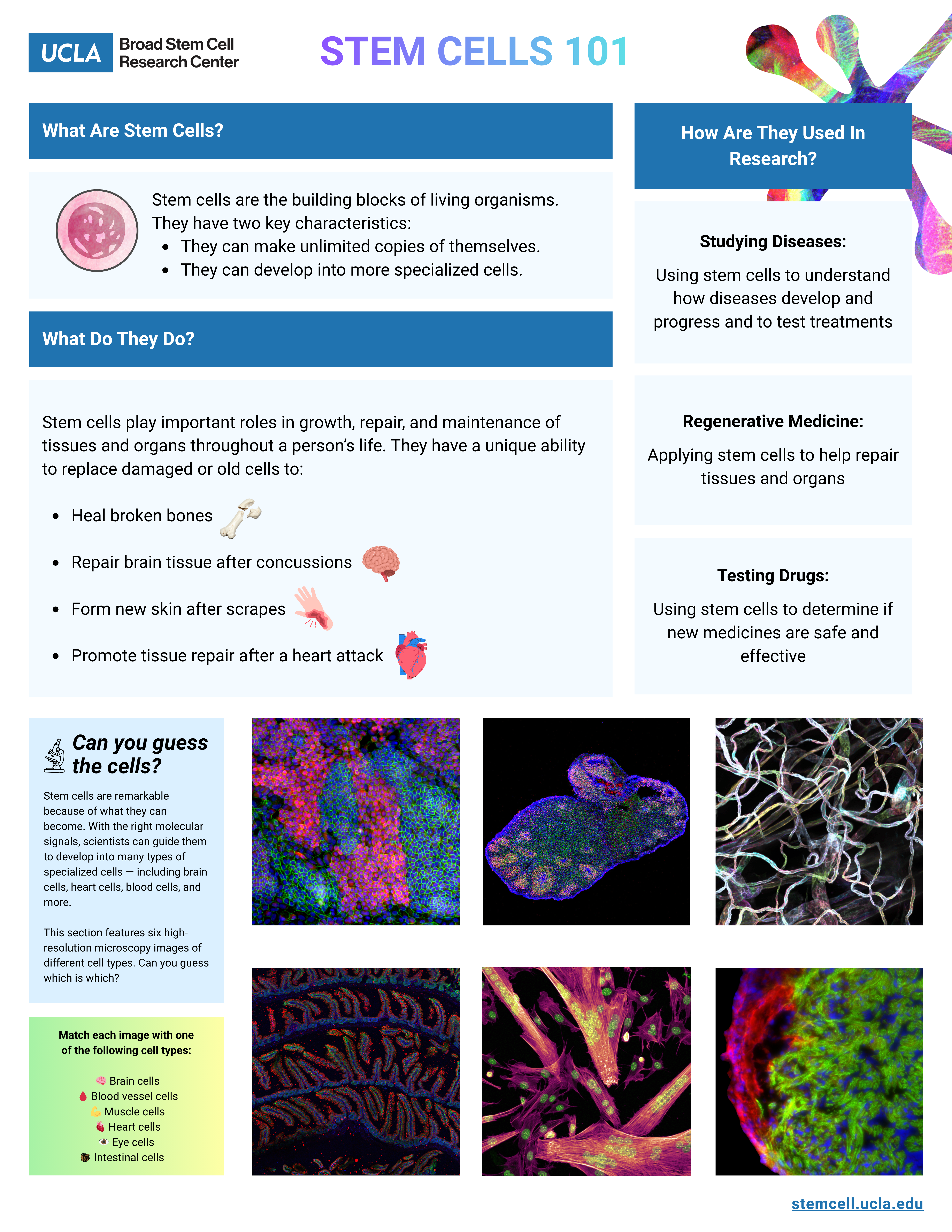
Teachers looking for a quick guide to stem cells can download the one-page worksheet below:
For Media
Journalists interested in our microscopy images, shots of scientists in action, or event photography can find these and more on our flickr.
Stay Connected
Join our email list to have our quarterly newsletter and the latest news and events delivered to your inbox.
Fuel Our Impact
We’ve redefined what’s possible in regenerative medicine. With your support, we can continue unlocking new treatments and cures that will change lives for generations to come.