
Member Spotlight: Trainee-turned-faculty member Jennifer Chia is on a mission to reverse blood system damage
Dr. Jennifer Chia sees blood disorders from both sides. As a hematopathologist, she diagnoses blood diseases in the clinic. And as a stem cell biologist, she investigates the cellular machinery driving these disorders in the lab.
That dual vantage point shapes her research: she studies how chronic inflammation disrupts blood cell development, with the goal of finding new ways to restore healthy blood cell production — in aging, in pediatric leukemia and in patients recovering from life-saving cancer therapy.
Below, she talks about how participating in the UCLA Broad Stem Cell Research Center Stem Cell Training Program helped her launch her own lab at UCLA, the flyer that set her on the path to becoming a physician-scientist in 10th grade and why you can always find her with a knitting project in hand.
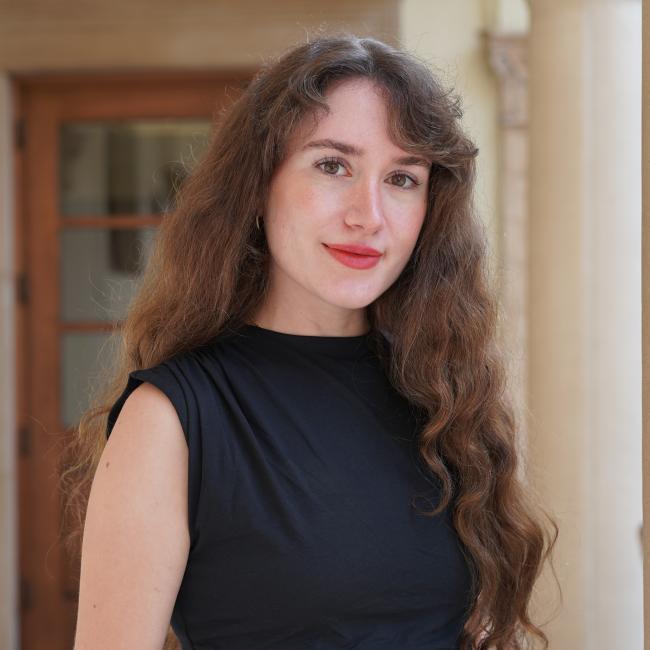
Chia is an assistant professor of pathology and laboratory medicine at the David Geffen School of Medicine at UCLA. She joined the faculty in July.
Tell us about your research.
Chronic inflammation affects nearly everyone — through aging, chemotherapy, autoimmune disease, or infection — and is increasingly linked to major diseases. Yet, how it disrupts the body remains poorly understood. Our lab focuses on one critical piece of that puzzle: blood cell production.
The process begins with blood stem cells, which self-renew and generate every blood cell type over a lifetime. These stem cells are guided by a support network called the "niche" that toggles them between activation and dormancy.
We've found that blood stem cells and their niche respond to inflammation in completely different ways — a discovery that helps explain why blood cell counts vary so dramatically among older adults. This matters for cancer, too: niche cells appear to drive the progression of conditions like myelodysplastic syndrome into acute myeloid leukemia, one of the deadliest and hardest-to-treat cancers. This discovery points to a possible way to intervene before that transformation happens.
Separately, we found that inflammation can push stem cells into a dormant state — a finding with direct clinical stakes, since dormant cancer stem cells drive treatment resistance and relapse in leukemia. As a hematopathologist who diagnoses these cancers, I see this firsthand, and it’s made more urgent by the fact that many leukemia treatments themselves cause inflammation. Our goal is to find a way to identify and target these dormant, therapy-resistant cells before they can cause relapse, turning a basic biological insight into something that could directly improve patient outcomes.
Have you always wanted to be a physician-scientist?
I actually decided in the 10th grade that this is what I was going to do. I knew I wanted a career built around taking things apart intellectually and putting them back together.
Then one day during a sports physical, I saw a flyer about someone who was both a doctor and a scientist in that same building. That was the lightbulb moment: I could study things at a scale, from cells to whole people, in a way that felt meaningful and had real potential for impact.
That path led me to my first research experience in college, in a lab studying how inflammatory signals contribute to chronic pain, which planted the very first seeds of my interest in how inflammation drives disease. I haven't looked back since.
How did the BSCRC Training Program set you up for success, and what role did it play in getting you to where you are now?
As a junior scientist, there's so much to learn beyond the bench about how to be a scientist, and the training program gave me that broader context. Practically speaking, having substantive funding for two years going into my faculty job search was huge. It signaled that my work was fundable and that people believed in it.
The program also pushed me toward things I might not have prioritized on my own, like attending conferences. I'd only rarely attended conferences during my PhD, so having the explicit expectation and support to go was a real shift. I got to engage deeply with the stem cell community here on campus, and I also attended some major national conferences, one of which led to an ongoing collaboration with a researcher outside UCLA.
Because I stayed at UCLA, the biggest lasting benefit has been the network. I now have mentors and colleagues I wouldn't otherwise have met — people I feel comfortable reaching out to because I know their work and they know mine.
Now I'm building that same kind of community in my new lab. I'm actively recruiting at all levels (graduate students, postdocs, computational and experimental researchers) to help with several projects we already have in motion. If you're interested in our work, please reach out to me at JChia@mednet.ucla.edu to apply.
What motivates you to pursue your research?
The specific science I do now really pulls together threads from across my life. Working in a lab as an undergraduate, I first saw how inflammation can drive disease. During my PhD, I studied how supportive stromal cells shape immune responses — and how immune cells, in turn, reshape those networks. Then, in my medical training and especially as a hematopathology fellow, I watched immune dysregulation become recognized as a defining feature of certain diseases, formally written into diagnostic criteria.
What really crystallized things for me, though, was the sheer volume of patients I evaluate — often older individuals with low blood counts, where it's unclear whether that's simply aging or a sign of something more serious.
These patients have wildly different life histories: some have autoimmune disease, some had cancer treatment a decade ago and so on. But what struck me is that this huge diversity of life experience narrows down to a surprisingly small set of consequences on blood cell production. That's what drives my research now: trying to understand how so many different inflammatory triggers converge on that same narrow set of outcomes in the blood system.
Where and when are you the happiest?
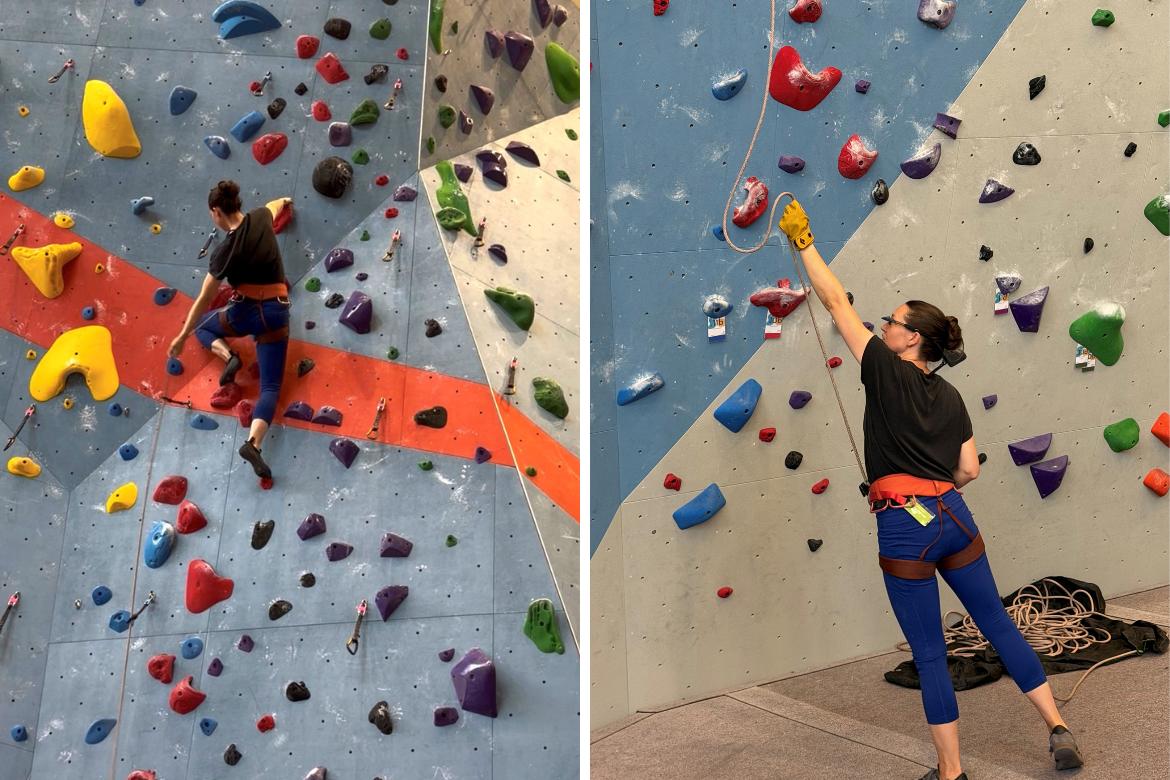
Honestly, I'm a pretty happy person in general, but if I had to pick a peak, it's being outside doing something active with my husband and kids. We love rock climbing and hiking together.
I love climbing because it’s meditative. When you're climbing, you can't think about anything else. You have to be completely present. With a career like mine, my mind is usually going a million directions at once, so climbing lets me recenter and reset. It's also something our whole family does together, even though our two daughters have gotten much better at it than we are.
What's something most people might not know about you?
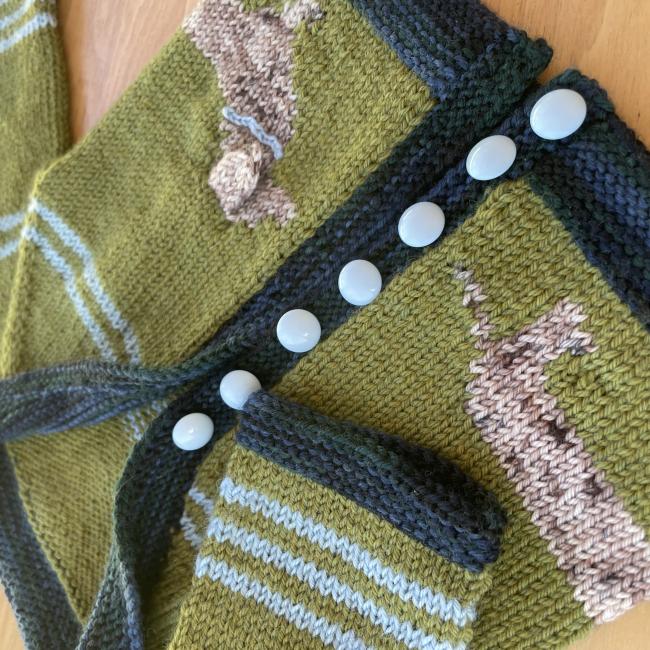
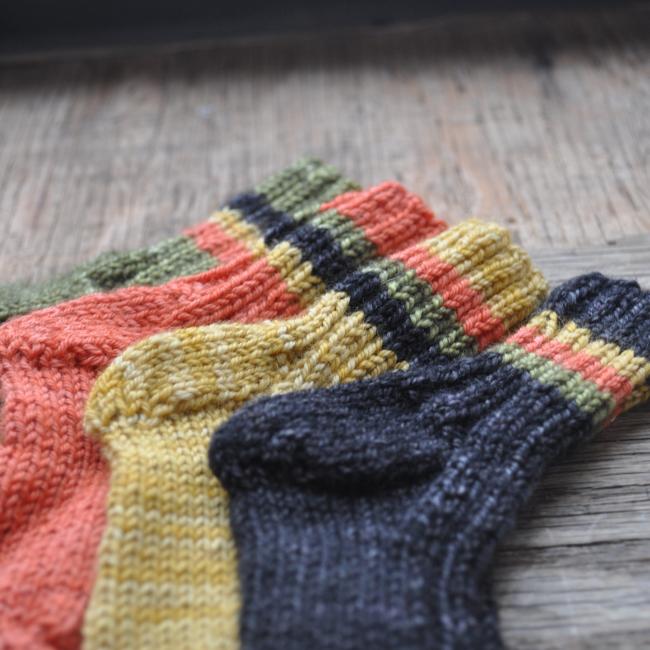
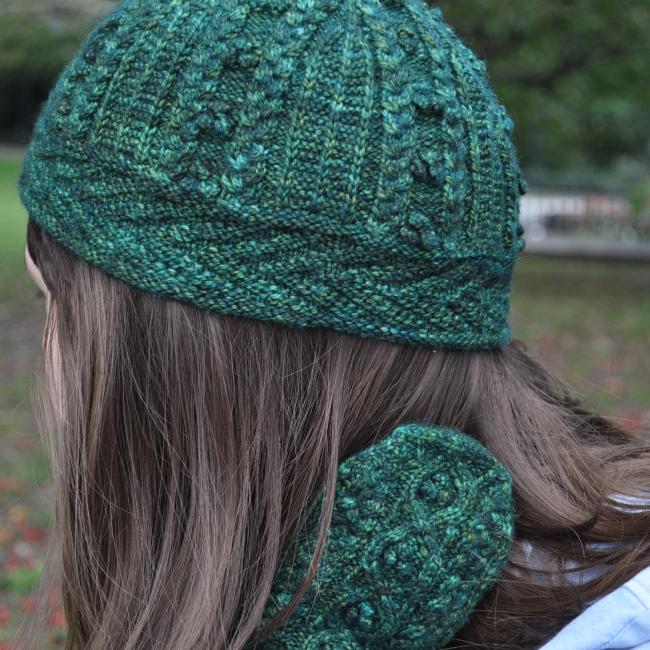
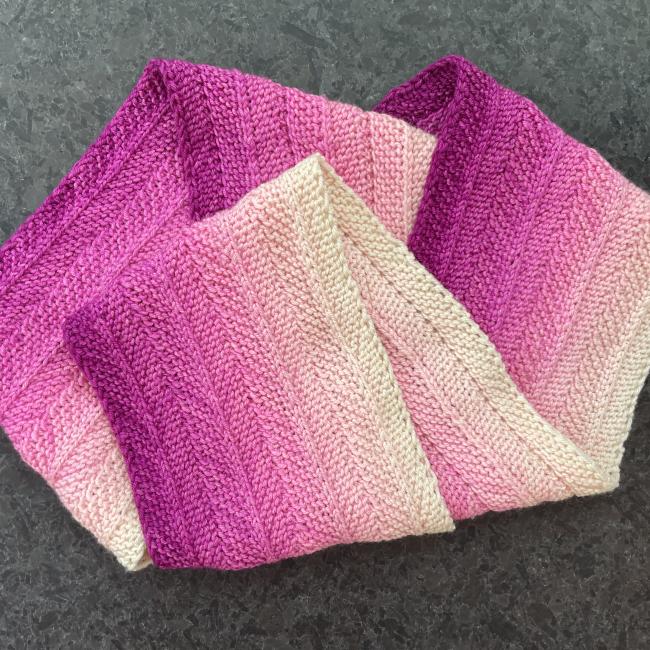
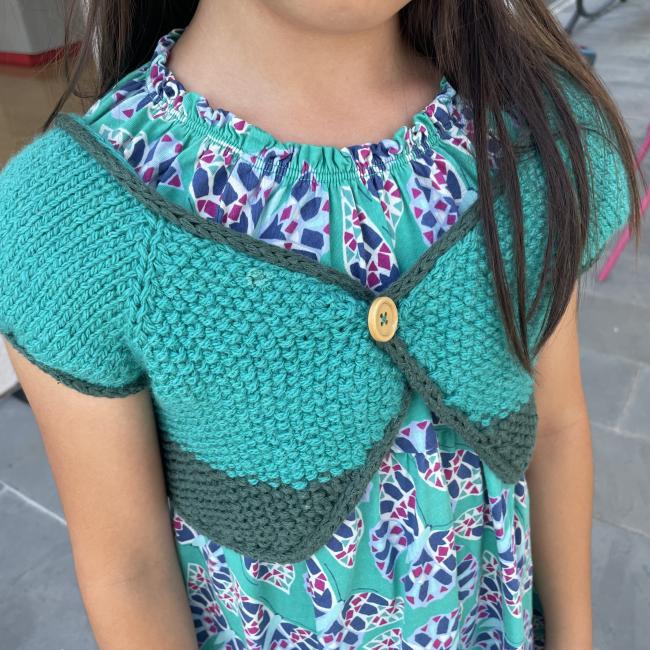
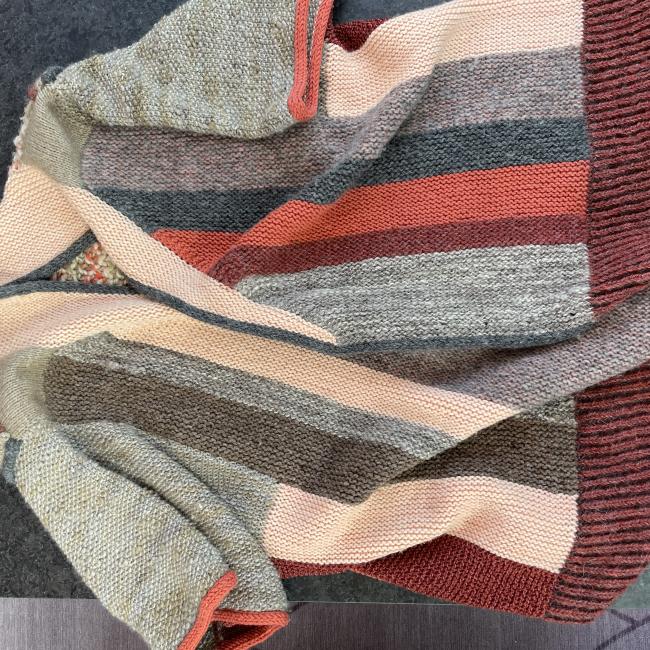
I always carry a knitting project with me because I don't like to sit still. I want to feel like I'm accomplishing something even while waiting in line or just watching TV. Socks are my favorite thing to make, but I knit everything from sweaters and vests to hats and lace shawls. I've logged nearly 200 finished projects on Ravelry to date!




What's one thing you wish more people knew about science?
Science is the process of trying to understand the world and get closer to the truth. It's simply how we keep refining our understanding, correcting imperfect methods and being willing to acknowledge where we were wrong before.
Do you have a "white whale" — a big dream for your career?
I'd love to be able to fully negate the toll that treatment takes on the blood system, including the damage caused by chemotherapy, bone marrow transplant, or even CAR T-cell therapy. And on the stem cell side of our work, I'd love to eliminate leukemia recurrence altogether.
I don't need to be the one who gets us there, though. My goal is to contribute as much knowledge as I can toward that future and to help move us closer as a scientific community, even if the final breakthrough comes from someone else.
Contact
Meet the Researchers
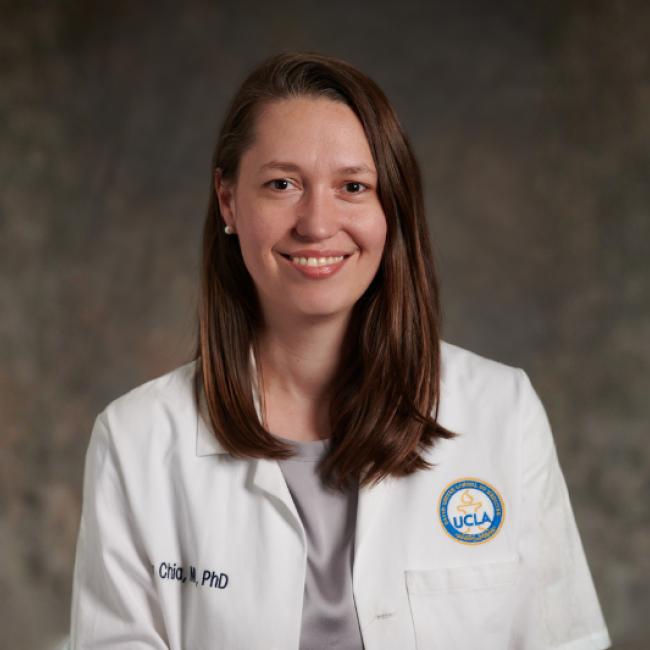
- Assistant Professor, Pathology and Laboratory Medicine
Science in 60 seconds
Watch Jennifer Chia's science elevator pitch, where she discusses her goal of improving blood cell production as we age.