
Aya Barzelay-Wollman , M.D., Ph.D.
- Assistant Professor, Ophthalmology
Training Program Alumnus
Research Areas
Aya Barzelay-Wollman, M.D., Ph.D., is a vitreoretinal surgeon and scientist whose research focuses on developing regenerative and precision therapeutic approaches for retinal disease. Her work integrates stem cell biology, retinal surgery, advanced imaging, and microsurgical robotics to develop new strategies for restoring vision in patients with currently irreversible retinal degeneration.
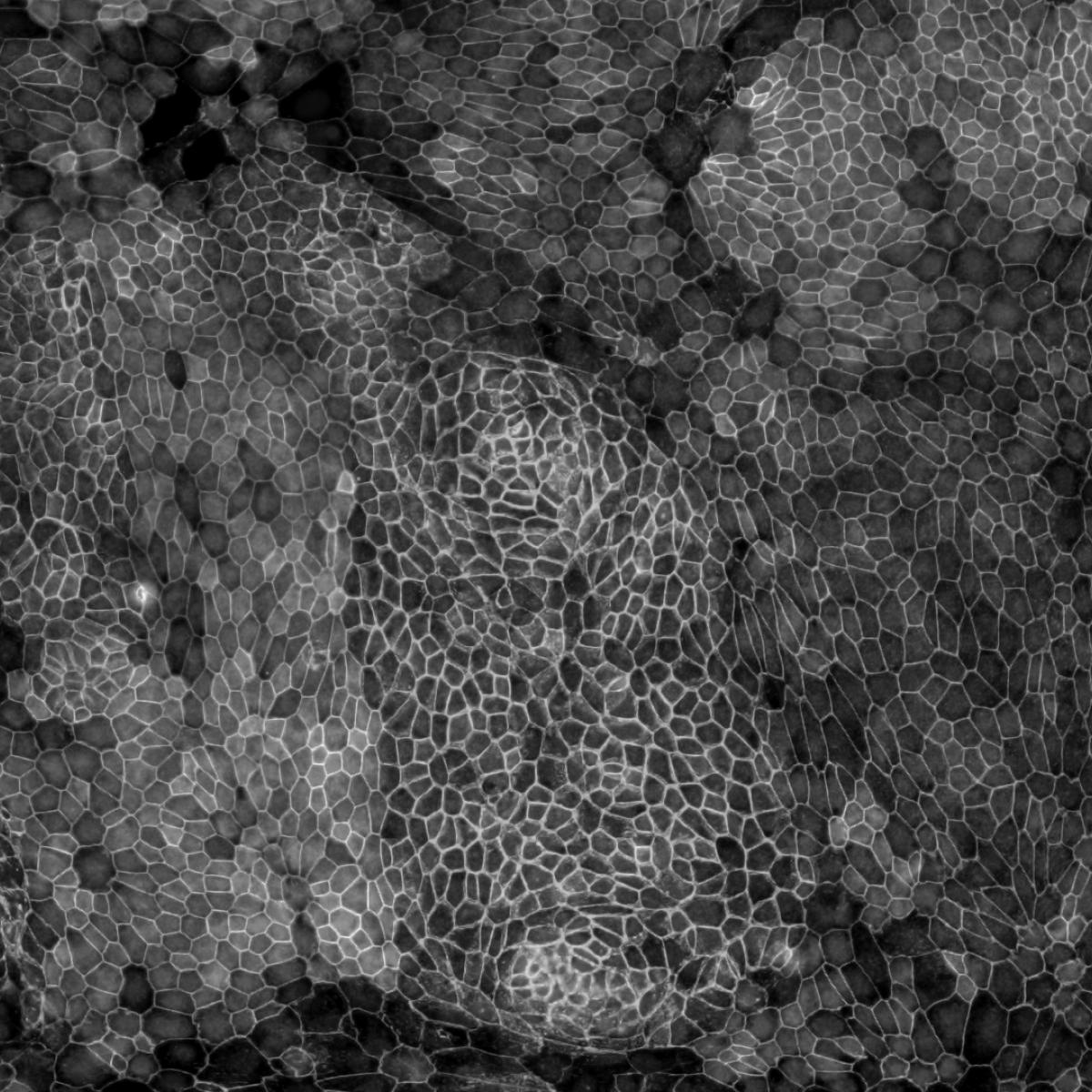
Barzelay-Wollman's translational research program focuses on retinal pigment epithelium, or RPE degeneration and regenerative approaches using induced pluripotent stem cell-derived RPE. She is particularly interested in understanding the retinal microenvironment into which replacement cells are delivered and how characteristics of diseased tissue influence transplanted cell survival, integration and function.
In the clinic, she specializes in the medical and surgical treatment of vitreoretinal diseases, providing a direct connection between the unmet needs she encounters in patients and the next-generation technologies her laboratory is working to develop. These include intelligent microsurgical robotic systems, AI-driven image guidance, intraocular imaging and tissue-sensing technologies, and precision approaches for targeted delivery to the retina and subretinal space.
Barzelay-Wollman serves as UCLA Site Principal Investigator for the ARPA-H THEA program focused on whole-eye transplantation and restoration of vision. Her work within this multidisciplinary effort addresses critical challenges in donor-eye procurement, preservation and transplantation, including minimizing warm ischemia, maintaining ocular perfusion, improving visualization of orbital anatomy and developing technologies for vascular access and surgical manipulation. The program brings together regenerative medicine, transplantation, ophthalmic surgery, engineering and advanced imaging toward the long-term goal of functional whole-eye transplantation.
Research Projects
- Defining the cellular and molecular microenvironment of geographic atrophy to improve the survival and integration of stem cell-derived retinal therapies
- Developing precision approaches for the safe and targeted delivery of regenerative therapies to the retina and subretinal space
- Developing AI-driven imaging, intelligent microsurgical robotics and advanced intraocular sensing technologies for next-generation retinal surgery
- Advancing whole-eye transplantation through improved donor-eye preservation, perfusion, surgical visualization and vascular manipulation
-
Fellowships
- Surgical Retina, UCLA Stein Eye Institute, 2023
- Surgical Retina, Sheba Medical Center, Israel, 2021
Residency
- Ophthalmology, Tel Aviv Sourasky Medical Center, Israel, 2019
Degrees
- M.D., Technion Institute Of Technology, Israel, 2015
- Ph.D., Stem Cells and Gene Therapy, Tel Aviv University, Israel, 2009
-